







Attraction
Abbey of Sant’Antimo
A Romanesque abbey set among olive groves and vineyards in the Val d’Orcia.
Explore our luxury villas in Tuscany, from country estates in Chianti to homes by the coast.
Attraction
A Romanesque abbey set among olive groves and vineyards in the Val d’Orcia.
Attraction
A historic Apennine mountain resort with seasonal skiing, forests and highland villages.
Attraction
A working Adriatic port city of hilltop monuments, Roman heritage and dramatic coastal viewpoints.
Attraction
A championship golf course set among wooded Umbrian hills beneath a medieval castle.
Attraction
A hilly coastal golf course overlooking the lagoon and landscapes of Monte Argentario.
Attraction
A historic spa town spread along the Lima valley in the hills north of Lucca.
Attraction
A fortified Maremma village near the coast and Niki de Saint Phalle’s Tarot Garden.
Attraction
A lakeside Lazio village set on a promontory above the clear waters of Lake Bolsena.
Attraction
A tiny Apennine village overlooking the broad plateaux famous for seasonal flowering.
Attraction
A medieval Tuscan hill town overlooking the celebrated landscapes of the Val d’Orcia.
Attraction
A privately managed medieval castle estate in the countryside east of Siena.
Attraction
A UNESCO-listed Etruscan necropolis of monumental tombs cut into the volcanic landscape.
Attraction
A compact Tuscan village beneath Monte Cetona, close to important prehistoric sites.
Attraction
A fragile medieval village perched on a tuff ridge above the Valle dei Calanchi.
Attraction
A Marche coastal city combining Roman remains, Renaissance monuments and an Adriatic seafront.
Attraction
An Umbrian city of medieval streets, civic museums and a central position in the Valle Umbra.
Attraction
A vast limestone cave system explored through guided underground routes in the Marche.
Attraction
A romantic garden where plants, waterways and medieval ruins form an exceptionally atmospheric landscape.
Attraction
A golf course set among the gentle Umbrian hills near Lake Trasimeno.
Attraction
A fortified medieval village dominated by a castle associated with history and Dantean legend.
Attraction
A monumental Umbrian hill town of medieval palaces, stone streets and enduring civic traditions.
Attraction
Emperor Hadrian’s vast Roman villa complex of palaces, gardens, baths and experimental architecture.
Attraction
A volcanic lake in northern Lazio ringed by historic towns, beaches and fertile countryside.
Attraction
A broad Umbrian lake surrounded by islands, historic towns and gentle countryside.
Attraction
A walled medieval town among olive groves and vineyards in the Tuscan Maremma.
Attraction
A medieval Maremma town overlooking the countryside between Saturnia and the Tuscan coast.
Attraction
A wooded Umbrian mountain landscape closely connected with Assisi and Franciscan history.
Attraction
A Renaissance hill town renowned for Vino Nobile and panoramic views across southern Tuscany.
Attraction
A small Sienese village enclosed by a complete medieval ring of walls and towers.
Attraction
An extinct volcanic mountain covered by beech and chestnut forests in southern Tuscany.
Attraction
A walled Umbrian hill town of stone streets, springs and wide Apennine views.
Attraction
A lagoon town linking the Tuscan mainland with Monte Argentario and its coastal nature reserves.
Attraction
Umbria’s regional capital, rich in Etruscan remains, medieval streets and important art collections.
Attraction
An Adriatic city where Rossini’s musical heritage meets museums, beaches and a walkable centre.
Attraction
Tuscany’s busiest airport, connected directly with Pisa Centrale by the PisaMover.
Attraction
A striking hill town built on volcanic tuff, with a historic Jewish quarter and nearby Vie Cave.
Attraction
A historic harbour beneath Spanish fortresses on the Monte Argentario peninsula.
Attraction
Monte Argentario’s principal port, shaped by fishing, ferries and a busy Mediterranean waterfront.
Attraction
A dramatic tuff-built town of fortifications, steep lanes and ancient rock-cut routes.
Attraction
A compact medieval village beside an important landscape of Etruscan tombs and rock-cut roads.
Attraction
An Umbrian hill city known for its cathedral, hilltop fortress and major performing-arts festival.
Attraction
A fortified harbour village overlooking the Maremma coast and the Gulf of Argentario.
Attraction
Niki de Saint Phalle’s monumental sculpture garden of mosaics, mirrors and vivid symbolic forms.
Attraction
A compact Umbrian hill town of medieval palaces, churches and expansive valley views.
Attraction
A Lazio hill town distinguished by Romanesque churches and a rich Etruscan heritage.
Attraction
The world’s smallest independent state, home to major religious monuments and art collections.
Attraction
A quiet mountain village surrounded by springs, woodland and the upper slopes of Monte Amiata.
Tuscany, in central Italy, combines the art of Florence and Siena, vineyard-covered hills and a long Mediterranean coastline. A villa holiday here can centre on wine villages, cultural visits or days by the sea.
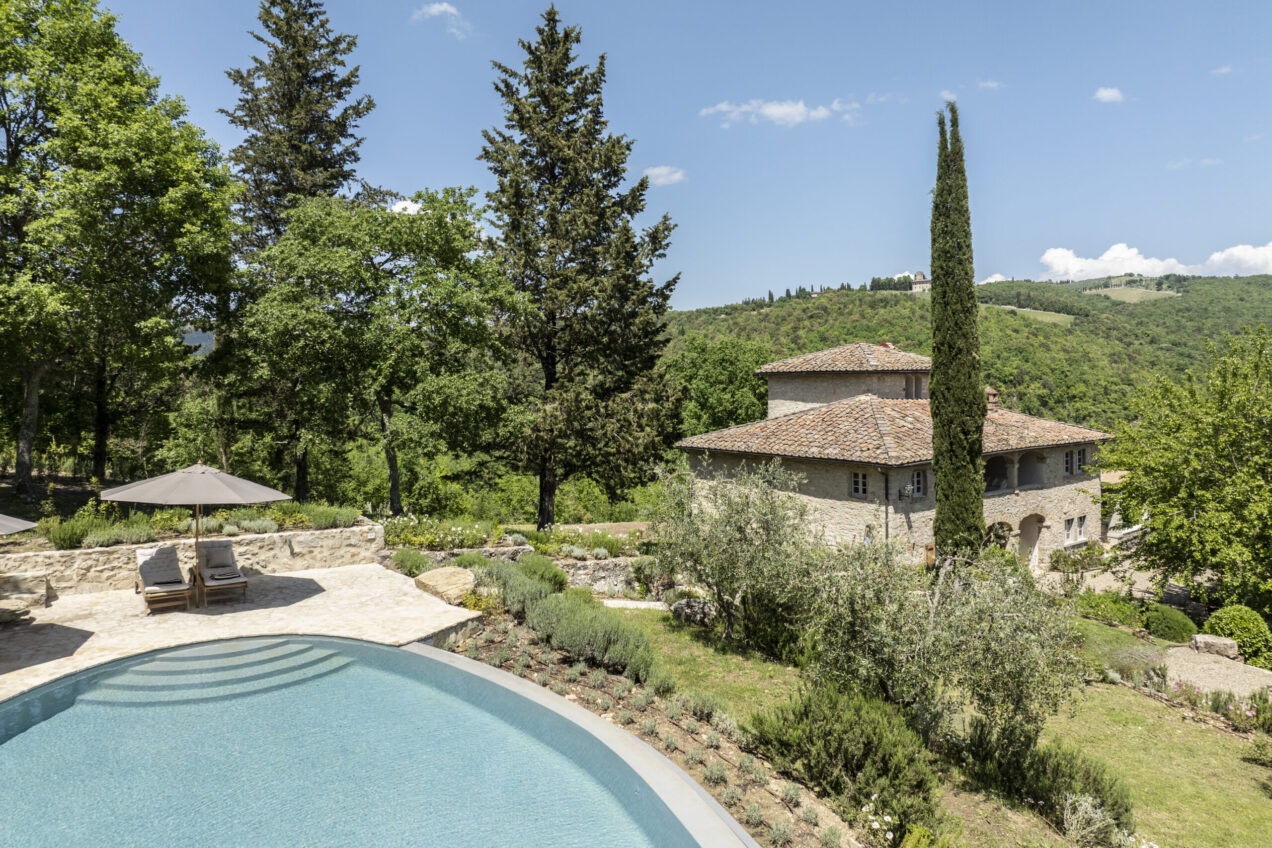
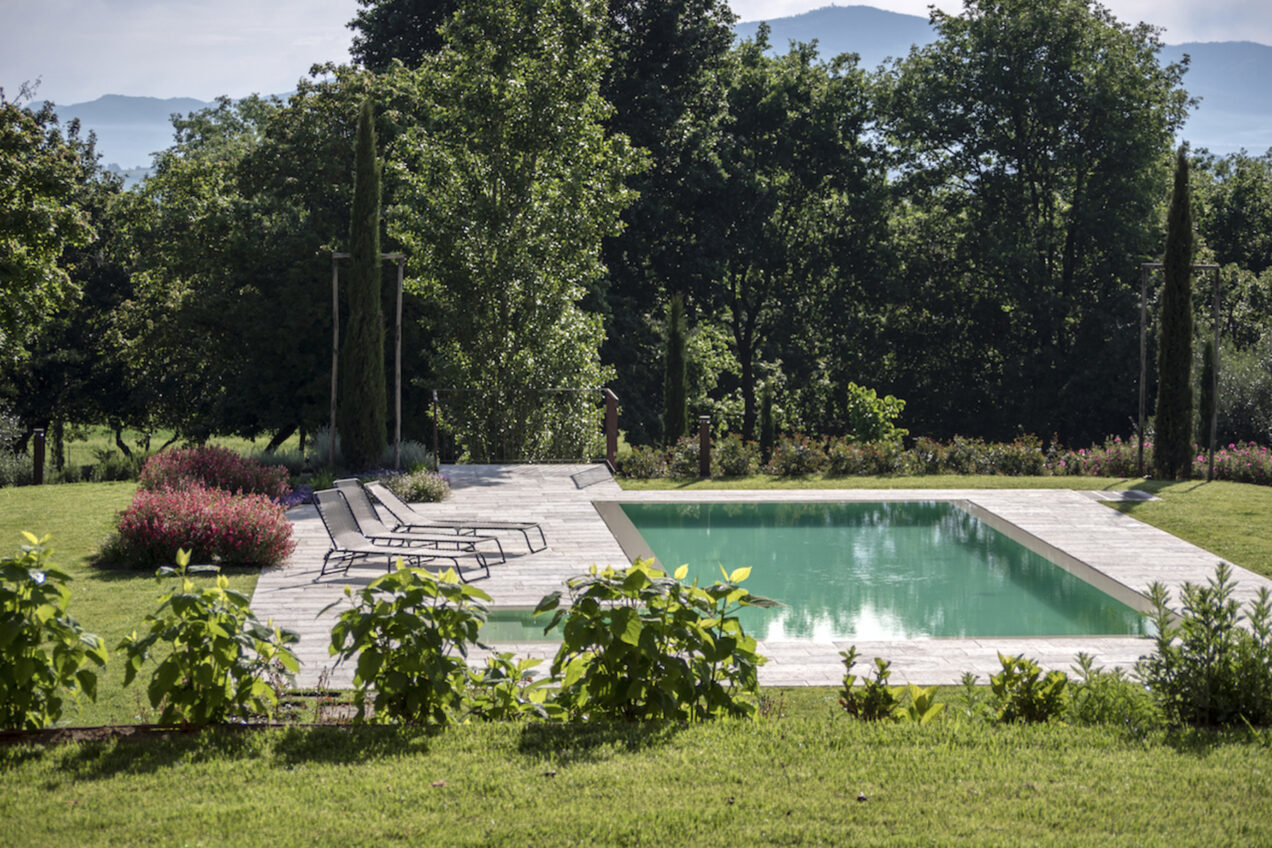
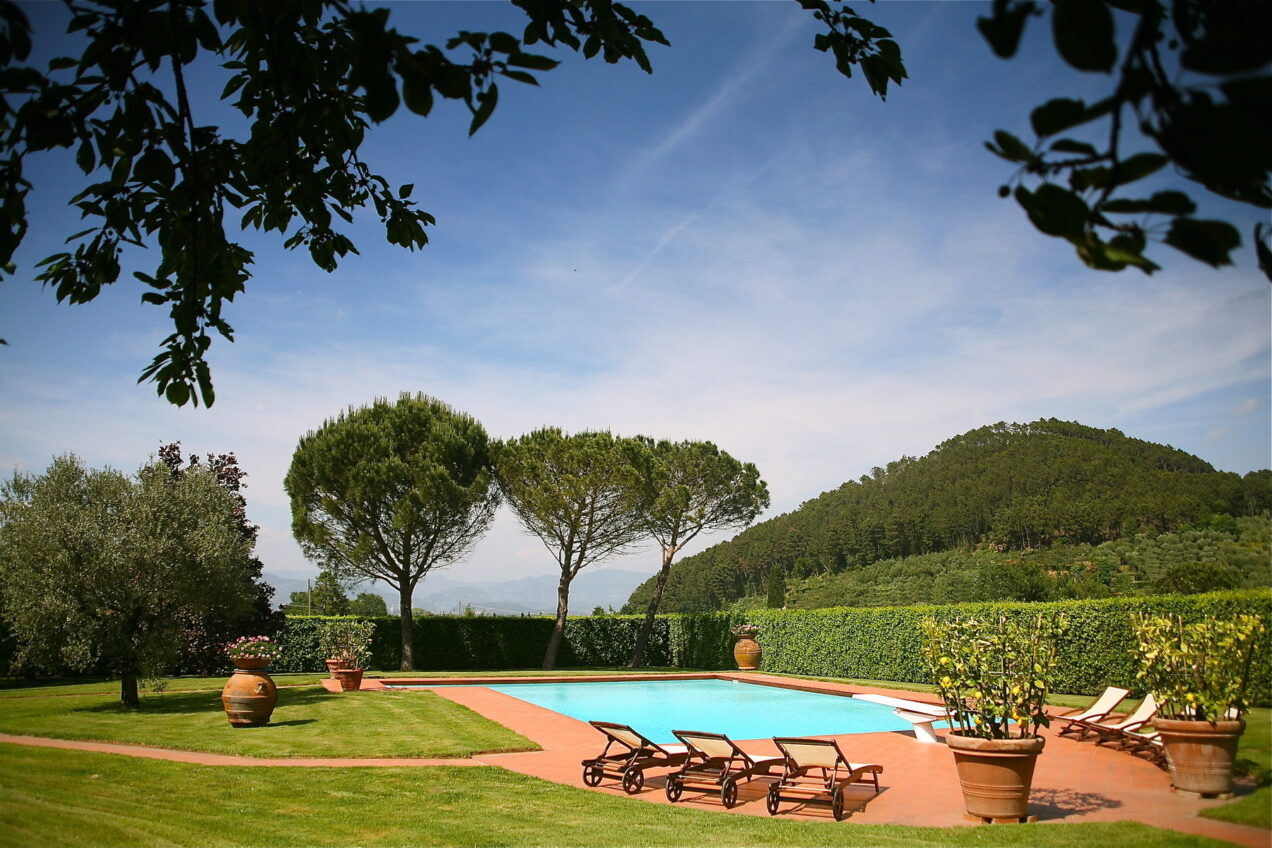
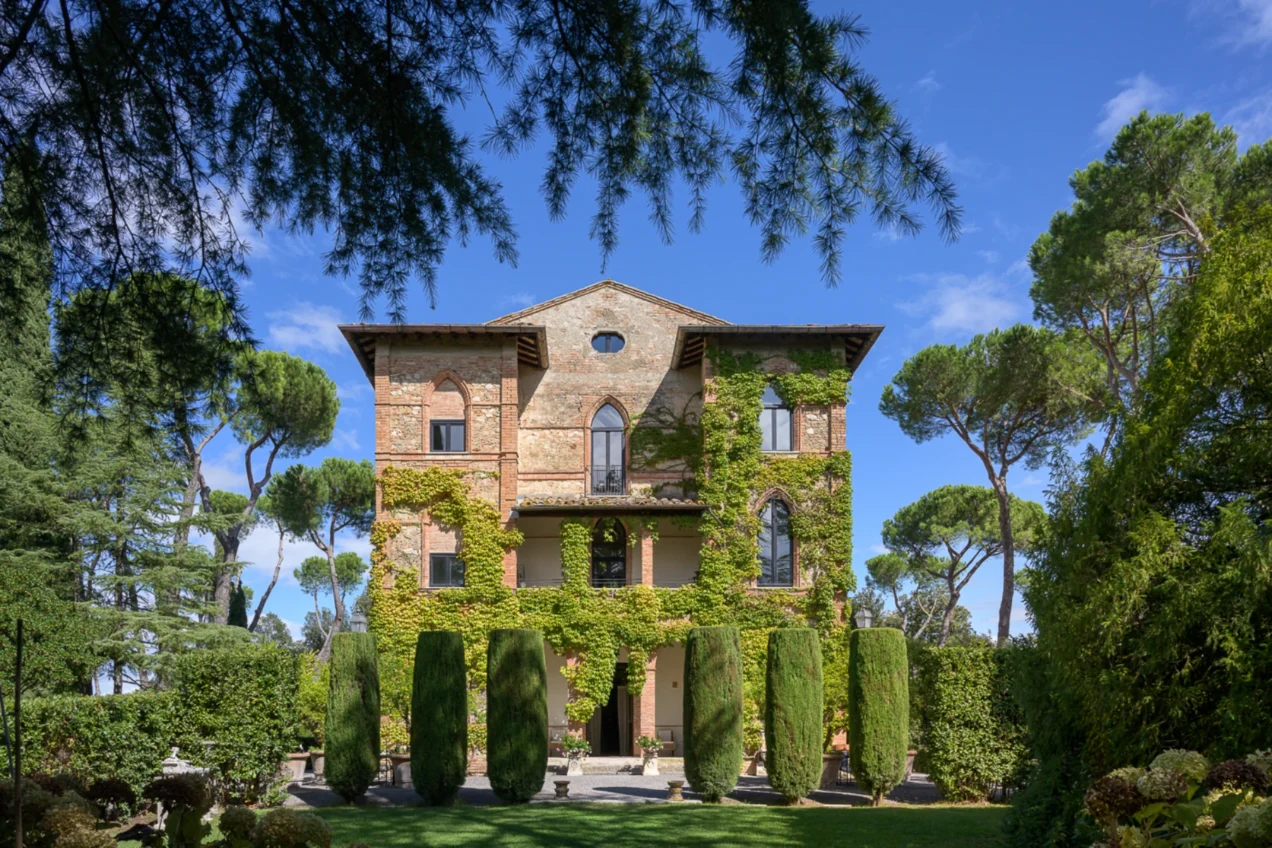
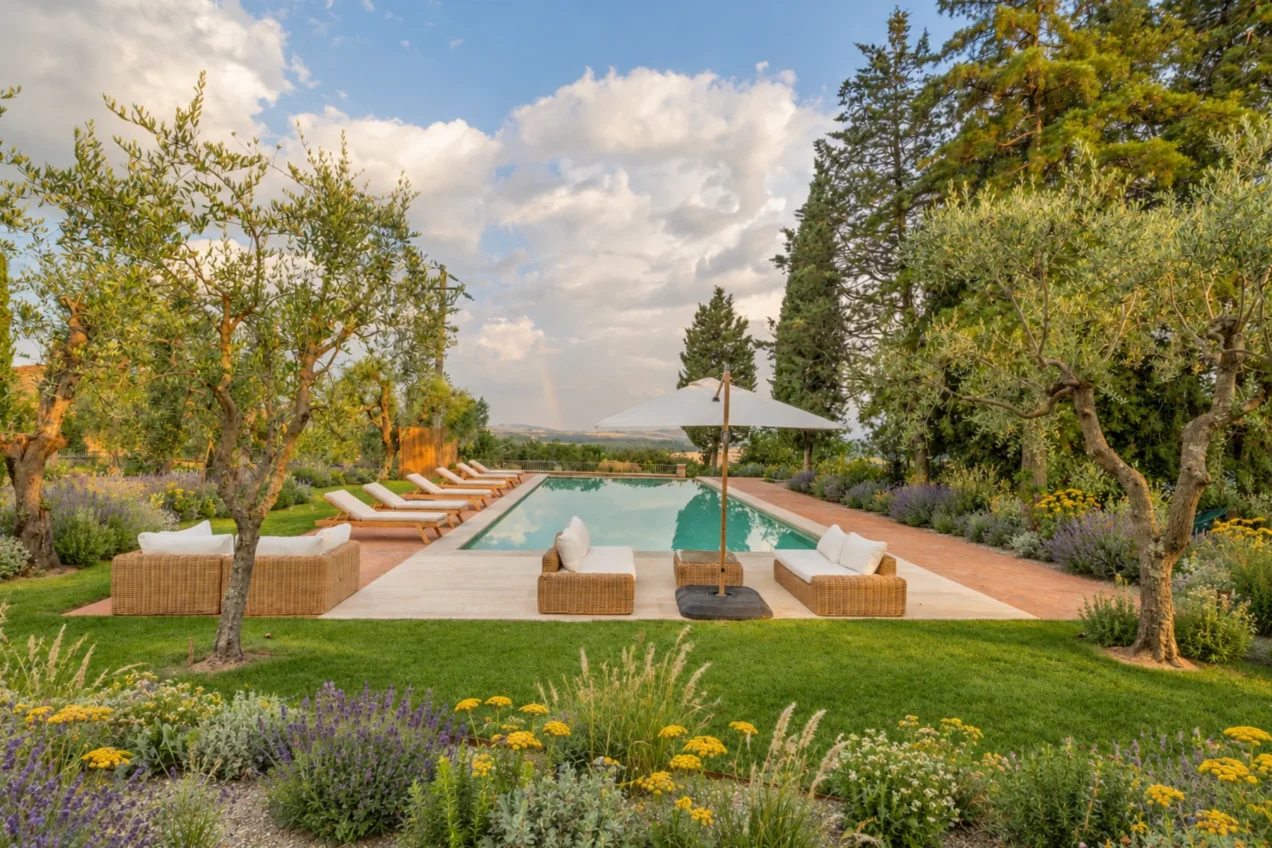
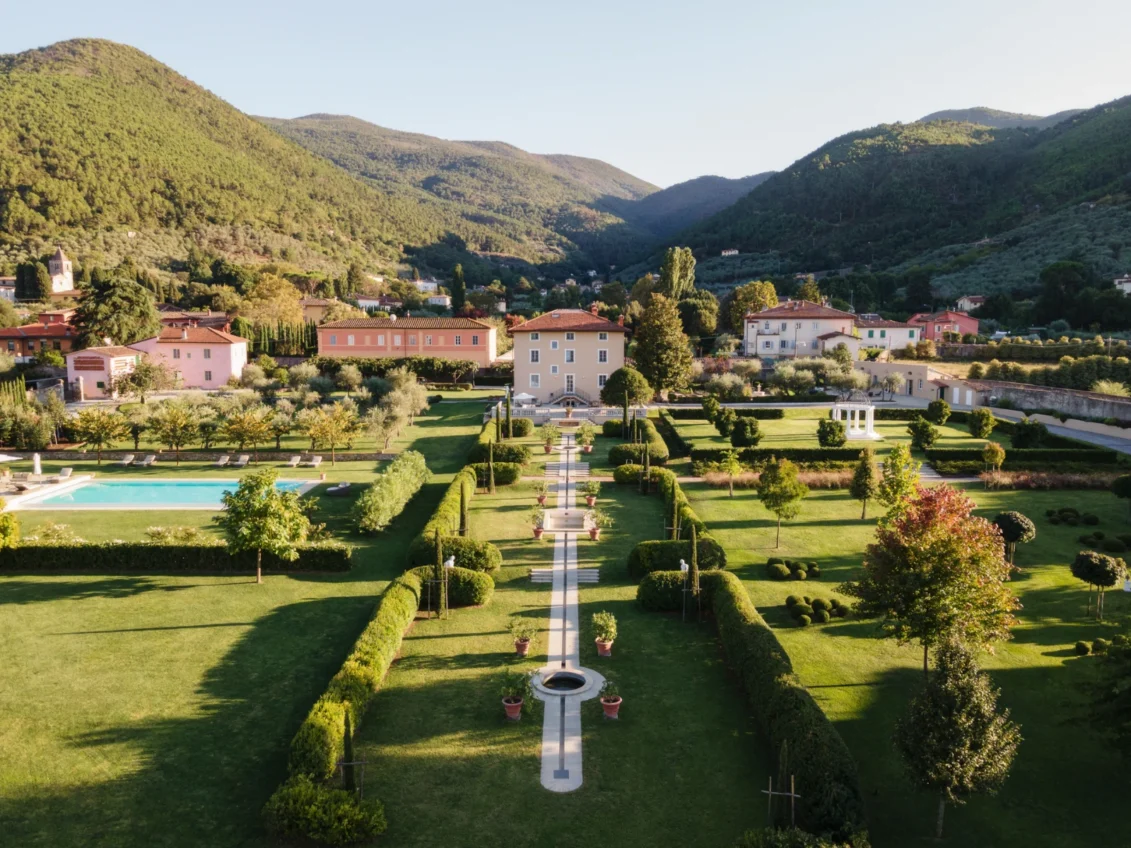
SopranoVillas’ luxury villas in Tuscany include country houses, historic estates and coastal homes, with options for smaller families and larger groups. Many offer private swimming pools, gardens and outdoor dining areas for long lunches and evenings together.
Start with how you want to spend your week. Choose the countryside for vineyard visits and village restaurants, stay near Florence or Lucca for cultural outings, or head to the coast for swimming and boating. The right location leaves you more time to enjoy the villa itself.
For families and groups of friends, the house matters just as much as the setting. Consider the bedrooms, bathrooms and shared spaces, alongside the privacy you want and any services that would make your stay more comfortable.
The best area for your Tuscany villa holiday depends on how you want to spend your days. Choose a base around the towns, beaches and experiences that matter most to you, as well as the time you want to spend at your villa.
Art with a countryside base
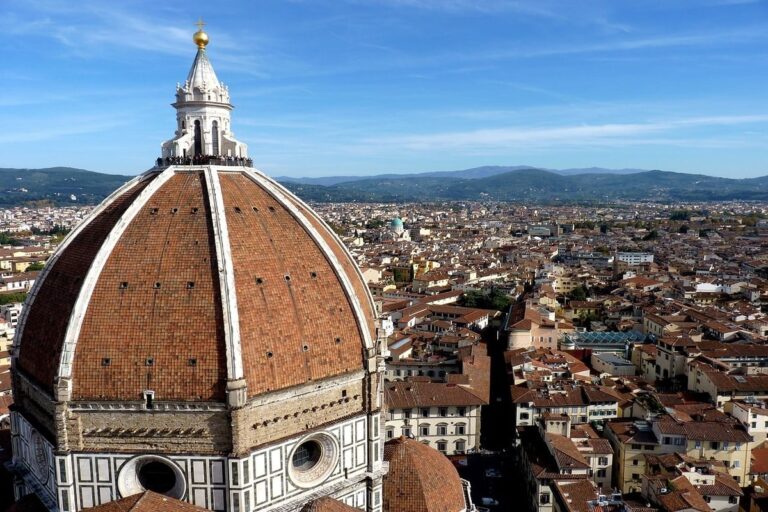
A villa in the hills around Florence suits guests who want museums, architecture and city restaurants, followed by quiet evenings at home.
Choose according to the actual journey into Florence, including parking or transport arrangements. The wider Tuscan Hills collection covers several locations, offering different bases for exploring the region.
Countryside and sandy beaches
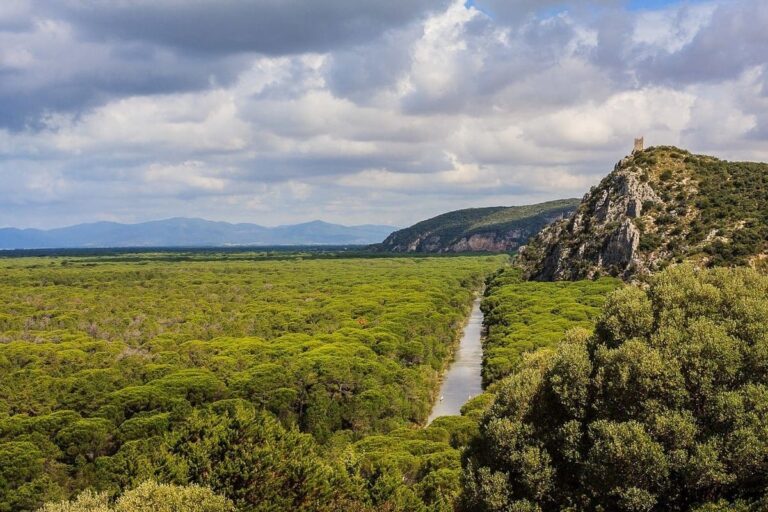
Maremma suits guests looking for country living within reach of the sea. Its southern Tuscan landscape includes sandy beaches, pinewoods and nature areas, as well as inland villages.
Maremma covers a large area. Choose around the beaches and towns you want to use most: a villa near Capalbio offers a different base from one near Castiglione della Pescaia.
Harbours, swimming and boating
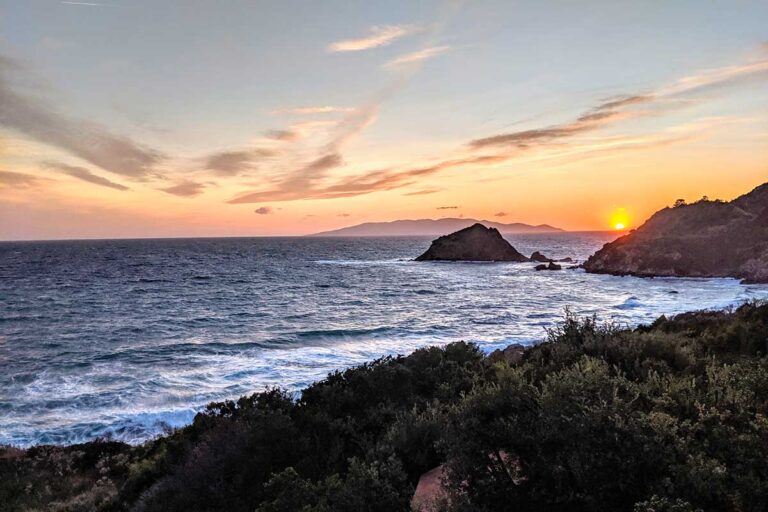
Argentario is a strong choice for boat trips, swimming and seaside dining. Porto Ercole and Porto Santo Stefano are its main harbour towns; nearby Feniglia and Giannella offer sandy alternatives to the peninsula’s rocky coves.
For a coastal villa, consider beach access alongside the view. Check whether reaching the water involves a walk, steps or a drive, particularly when travelling with children or older relatives.
Vineyards and village restaurants
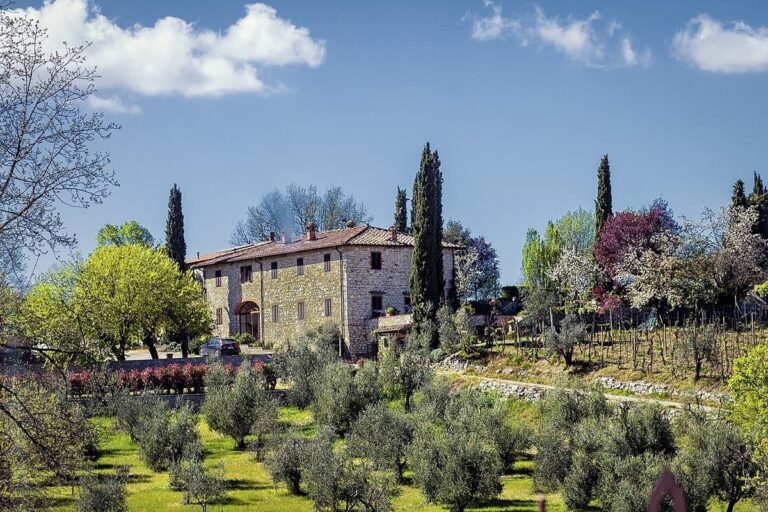
Between Florence and Siena, Chianti suits guests who want wine tastings, countryside views and meals in local villages. Greve, Radda, Castellina and Gaiole provide different starting points for exploring the area.
A secluded estate offers space and privacy; a villa near a village makes shopping and dinner out easier. If walking to restaurants matters, confirm the actual route rather than judging by distance alone.
A relaxed city and trips to the coast
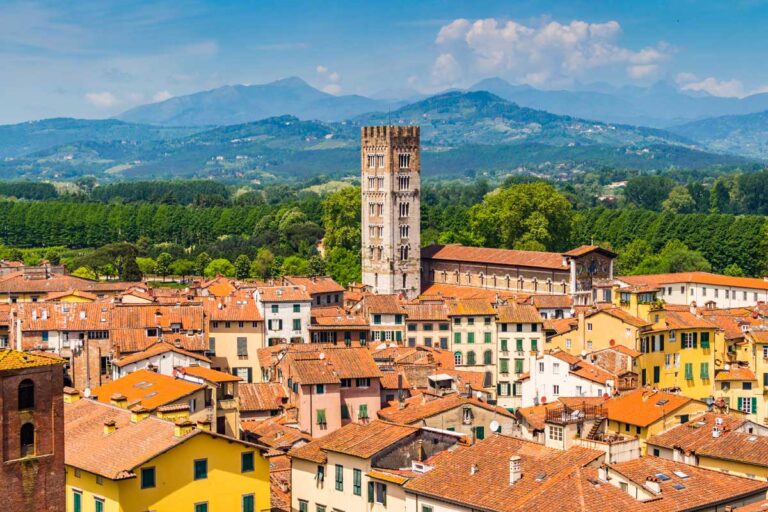
Lucca offers a balance of culture, countryside and coastal outings. Its historic centre is easy to explore on foot, while the broad city walls provide a scenic route for walking or cycling.
The surrounding countryside can work well for visits to Lucca, Pisa and the Versilia coast, including Viareggio and Forte dei Marmi. For daily beach visits, prioritise the journey to the shore when comparing villas.
Landscapes and historic towns
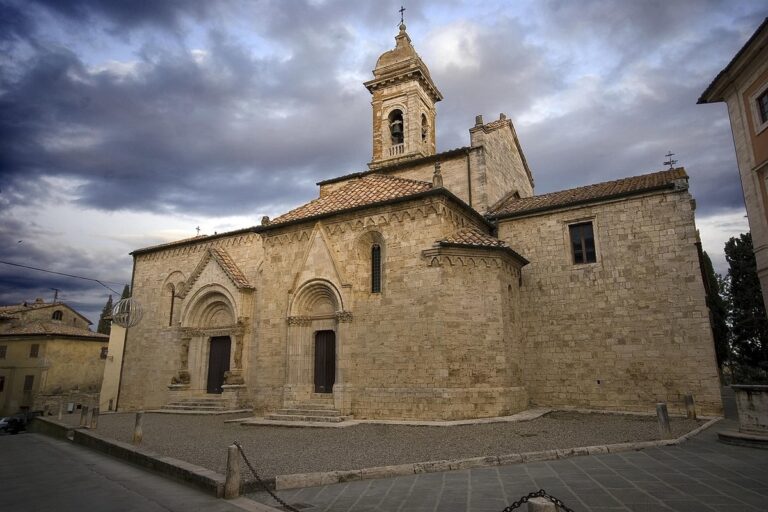
South of Siena, the Val d’Orcia brings together open hills, cypress-lined roads and small historic towns. Pienza, San Quirico d’Orcia and Montalcino make rewarding outings, with opportunities to try local cheeses and Brunello wine.
Choose this area for leisurely countryside days and time at the villa. If you expect to visit Florence frequently, a base farther north will usually be more convenient.
Before booking, confirm the details that matter to your group. Facilities and services vary between villas.
Check where everyone will sleep: bedrooms may be in the main house or a separate guest house. Compare the bathrooms and which are private to a bedroom, especially when several families are sharing.
Confirm which bedrooms have air conditioning. For spring or autumn stays, check pool opening dates, whether heating is available and its cost. Indoor heating matters for cooler months.
Check steps, bedroom access and the final approach road if travelling with children, guests with limited mobility or a large hire car. Confirm actual routes to shops, restaurants and beaches.
Ask which housekeeping and chef services are included or can be arranged. Request a clear breakdown of extra charges, such as utilities, pool heating and final cleaning, plus any security deposit.
Tell us your must-haves and we’ll help you shortlist suitable Tuscany villas.
These months are good starting points for a holiday combining sightseeing, outdoor meals and time by the pool. Spring evenings can be cool; if swimming is a priority, consider a villa with a heated pool.
These months suit holidays built around the pool or the coast. Visit cities in the cooler part of the day, then return for a relaxed afternoon at the villa. Air conditioning in the bedrooms is a useful feature to prioritise.
These months appeal to guests interested in vineyards, local food and countryside exploring. September can also suit a coastal stay, while swimming weather becomes less dependable later in autumn.
For winter visits, choose comfortable indoor spaces and effective heating, and check local opening hours when planning outings.
Build your plans around the villa’s location.
Florence deserves dedicated time for its Renaissance art and architecture. Choose the museums you most want to visit and book ahead through their official channels, including the Uffizi Galleries.
Siena and San Gimignano offer historic streets, distinctive architecture and places to stop for lunch. In southern Tuscany, Pienza and Montalcino fit naturally into days exploring the countryside.
Around Lucca, leave time to walk or cycle the city walls. On the coast, alternate beach days with harbour visits or a boat outing.
A week in a villa does not need a full sightseeing schedule. A few well-chosen excursions leave time for swimming, nearby villages and unhurried meals together.
Tuscan food changes across the region. Inland, try vegetable soups such as ribollita, pasta with game sauces, grilled beef and local cheeses. On the coast, fish and seafood take a larger role.
Choose wine visits close to your villa: Chianti Classico in Chianti, Brunello around Montalcino, and Bolgheri wines along the Etruscan Coast. Book tasting appointments ahead and arrange transport if everyone wants to participate.
A village food shop or market can provide ingredients for lunch on the terrace. For a special dinner at home, ask about a private chef for your chosen villa, including availability and what the service covers.
A car is usually the most practical option for a countryside villa, giving you flexibility for shopping, restaurants and local outings. Trains can be useful for city visits when the house is within convenient reach of a station.
If you prefer not to drive, discuss transport and the villa’s location together. Convenient access to everyday essentials can matter more to your stay than proximity to a famous attraction.
For rural houses, check the final approach if hiring a large vehicle. Historic city centres commonly have restricted traffic zones, called ZTLs; use designated parking unless you have confirmed permission to enter.
Yes, the collection includes Tuscany villas with private pools, including some with pool heating. Check the individual property’s facilities, seasonal opening dates and any heating charge.
A heated pool is worth considering for spring or autumn if swimming is an important part of your holiday.
Yes. SopranoVillas offers large villas and estates for extended families and groups of friends. Compare the bedrooms and bathrooms, as well as the spaces where everyone will eat and relax together.
Check whether bedrooms are in the main house or separate buildings, particularly when travelling with young children or guests who need easy access.
Ask about chef services, housekeeping and other support when enquiring about a villa. Availability and arrangements vary by property.
Confirm which services are included in the rental and which can be booked at an additional cost, so you can choose the level of support you want.
Start with location, privacy and a layout that suits your group. Then compare the pool, outdoor dining areas and indoor comfort.
If air conditioning, pool heating, fewer steps or walking access to restaurants are essential, make those requirements part of your shortlist from the beginning.
Yes. Maremma combines rural settings with the southern coast, while the countryside around Lucca can work for outings to Versilia.
Chianti and the Val d’Orcia suit inland exploring. If you want to swim in the sea most days, choose a villa around beach access.
A week gives you time to settle into one area, enjoy the villa and make several excursions. For a longer holiday combining Florence with the southern coast, consider two bases to reduce repeated journeys across the region.
Amerigo Vespucci Recommended
Closest by far. The short runway means smaller aircraft and more weather cancellations than Pisa.
Galileo Galilei
The dependable choice. An extra 40 minutes of driving buys far more flights and cheaper fares.
Guglielmo Marconi
Worth checking when Pisa and Florence are expensive. The drive over the Apennines is a pleasure in itself.
Fiumicino
Often the right answer from the US despite the distance: a direct flight plus three hours of driving beats a connection through Frankfurt.
Local knowledge Florence, Siena and Lucca all have active ZTL zones. Never drive into the historic centre — park outside and walk in.
Fiumicino Recommended
Clearly the right airport for this stretch of coast, whatever the guidebooks say about Tuscany meaning Pisa.
Galileo Galilei
Reasonable from the UK when the fare is right.
Amerigo Vespucci
Rarely the best choice for the Maremma.
Local knowledge The coast road fills badly in August. Add an hour to any Saturday transfer in high season.
Amerigo Vespucci Recommended
Marginally the closest for most of the Val d'Orcia.
Fiumicino Recommended
Genuinely competitive here, and the only sensible option from the US. Straight up the A1.
San Francesco d'Assisi
Tiny and charming, with very few flights. Check it, but do not build the trip around it.
Galileo Galilei
Only when the fare difference is significant.
Local knowledge Essential car country. Many villas here sit fifteen to twenty minutes down a gravel track from the nearest paved road.
Journey times are approximate and vary according to the villa location, traffic and local road conditions. Flight routes: Summer 2026. Routes are the one thing here that changes every year, which is why they carry a date and the drive times do not.

Get in touch with us. Tell us dates, guests, and style — we’ll help you find the most suitable villas for your trip to Tuscany.
Ask our concierge