










Attraction
Abbey of Sant’Antimo
A Romanesque abbey set among olive groves and vineyards in the Val d’Orcia.
Attraction
A Romanesque abbey set among olive groves and vineyards in the Val d’Orcia.
Attraction
A historic Apennine mountain resort with seasonal skiing, forests and highland villages.
Attraction
A championship golf course set among wooded Umbrian hills beneath a medieval castle.
Attraction
A hilly coastal golf course overlooking the lagoon and landscapes of Monte Argentario.
Attraction
A historic spa town spread along the Lima valley in the hills north of Lucca.
Attraction
A fortified Maremma village near the coast and Niki de Saint Phalle’s Tarot Garden.
Attraction
A lakeside Lazio village set on a promontory above the clear waters of Lake Bolsena.
Attraction
A medieval Tuscan hill town overlooking the celebrated landscapes of the Val d’Orcia.
Attraction
A privately managed medieval castle estate in the countryside east of Siena.
Attraction
A compact Tuscan village beneath Monte Cetona, close to important prehistoric sites.
Attraction
A fragile medieval village perched on a tuff ridge above the Valle dei Calanchi.
Attraction
A Marche coastal city combining Roman remains, Renaissance monuments and an Adriatic seafront.
Attraction
An Umbrian city of medieval streets, civic museums and a central position in the Valle Umbra.
Attraction
A vast limestone cave system explored through guided underground routes in the Marche.
Attraction
A golf course set among the gentle Umbrian hills near Lake Trasimeno.
Attraction
A fortified medieval village dominated by a castle associated with history and Dantean legend.
Attraction
A monumental Umbrian hill town of medieval palaces, stone streets and enduring civic traditions.
Attraction
A volcanic lake in northern Lazio ringed by historic towns, beaches and fertile countryside.
Attraction
A broad Umbrian lake surrounded by islands, historic towns and gentle countryside.
Attraction
A walled medieval town among olive groves and vineyards in the Tuscan Maremma.
Attraction
A medieval Maremma town overlooking the countryside between Saturnia and the Tuscan coast.
Attraction
A wooded Umbrian mountain landscape closely connected with Assisi and Franciscan history.
Attraction
A Renaissance hill town renowned for Vino Nobile and panoramic views across southern Tuscany.
Attraction
A small Sienese village enclosed by a complete medieval ring of walls and towers.
Attraction
An extinct volcanic mountain covered by beech and chestnut forests in southern Tuscany.
Attraction
A walled Umbrian hill town of stone streets, springs and wide Apennine views.
Attraction
A lagoon town linking the Tuscan mainland with Monte Argentario and its coastal nature reserves.
Attraction
Umbria’s regional capital, rich in Etruscan remains, medieval streets and important art collections.
Attraction
An Adriatic city where Rossini’s musical heritage meets museums, beaches and a walkable centre.
Attraction
Tuscany’s busiest airport, connected directly with Pisa Centrale by the PisaMover.
Attraction
A striking hill town built on volcanic tuff, with a historic Jewish quarter and nearby Vie Cave.
Attraction
A historic harbour beneath Spanish fortresses on the Monte Argentario peninsula.
Attraction
Monte Argentario’s principal port, shaped by fishing, ferries and a busy Mediterranean waterfront.
Attraction
A dramatic tuff-built town of fortifications, steep lanes and ancient rock-cut routes.
Attraction
A compact medieval village beside an important landscape of Etruscan tombs and rock-cut roads.
Attraction
An Umbrian hill city known for its cathedral, hilltop fortress and major performing-arts festival.
Attraction
A fortified harbour village overlooking the Maremma coast and the Gulf of Argentario.
Attraction
Niki de Saint Phalle’s monumental sculpture garden of mosaics, mirrors and vivid symbolic forms.
Attraction
A compact Umbrian hill town of medieval palaces, churches and expansive valley views.
Attraction
A Lazio hill town distinguished by Romanesque churches and a rich Etruscan heritage.
Attraction
A quiet mountain village surrounded by springs, woodland and the upper slopes of Monte Amiata.
Renaissance Capital – Art, Architecture and the Art of Living Well in Tuscany
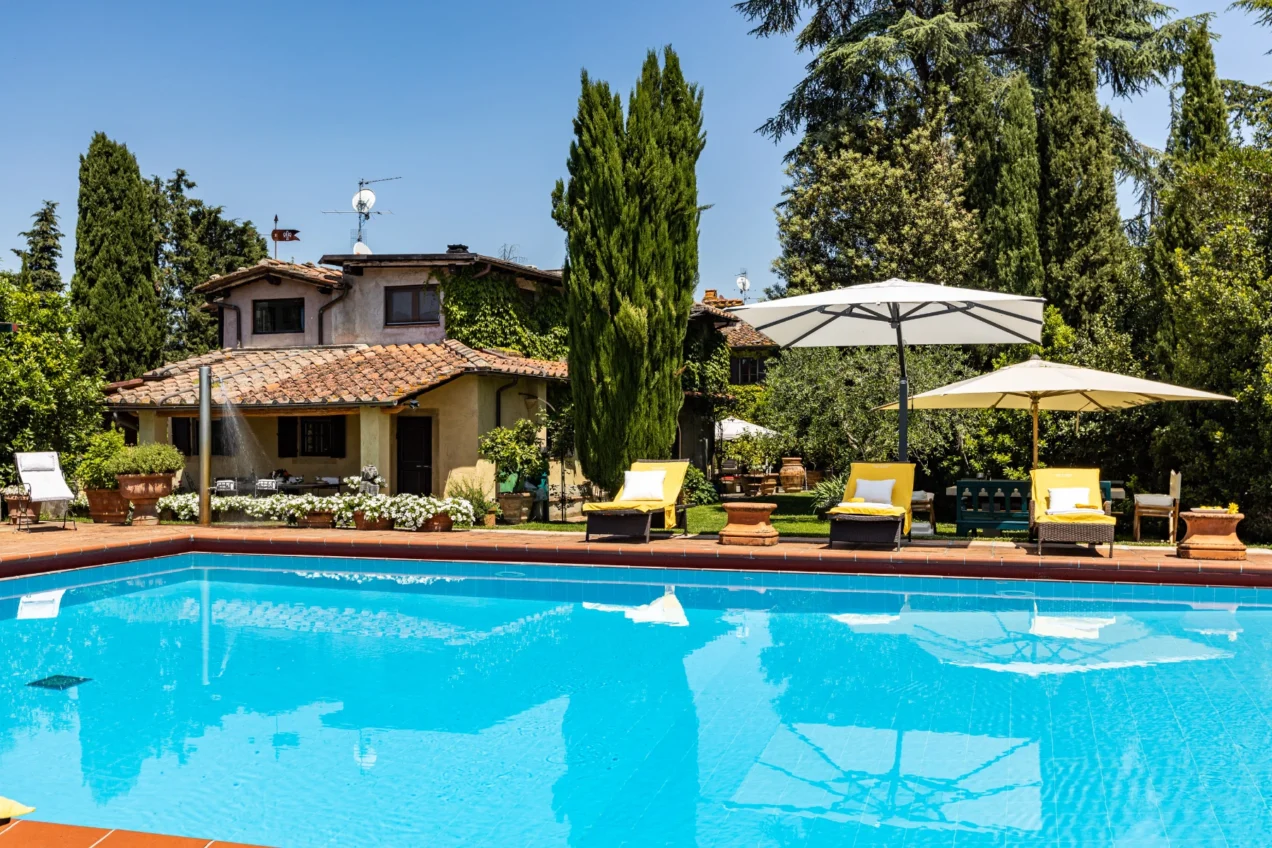
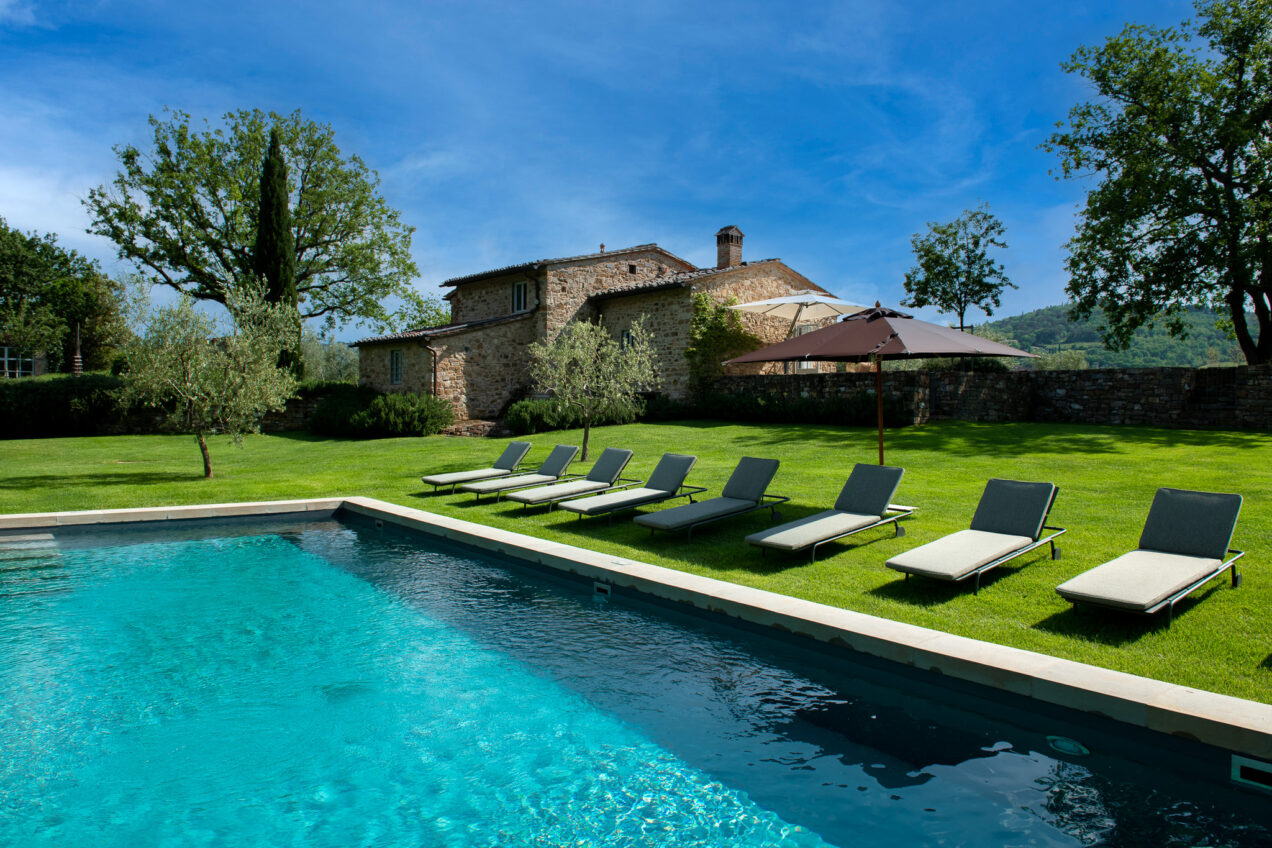
Florence needs no introduction to most of our guests — but experiencing it from a private villa is an entirely different proposition from a city hotel. Staying outside the historic centre, with a pool in the garden and the Tuscan hills as your backdrop, you gain the city on your own terms: early morning museum visits before the crowds arrive, evenings in neighbourhood restaurants the tourists rarely find, and the freedom to disappear into the countryside whenever the city feels like too much.
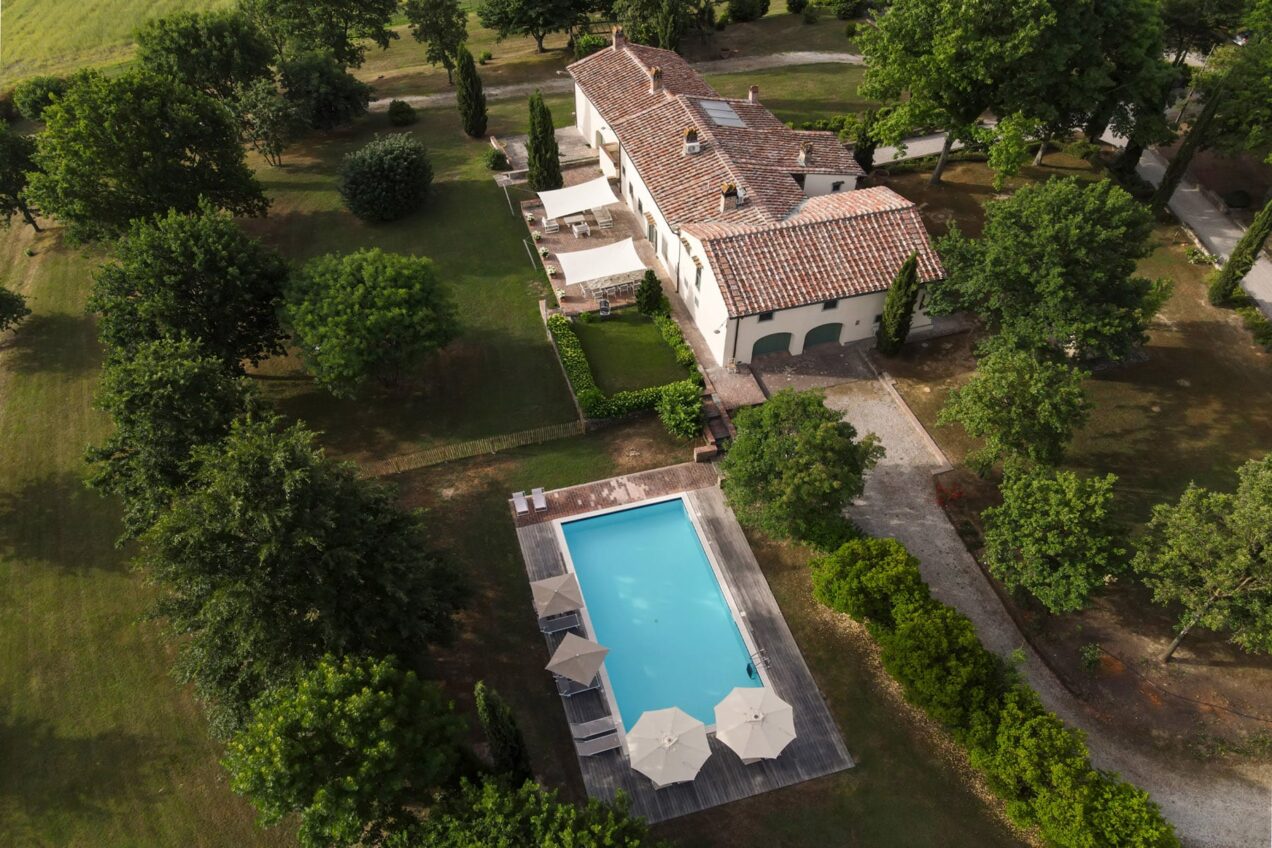
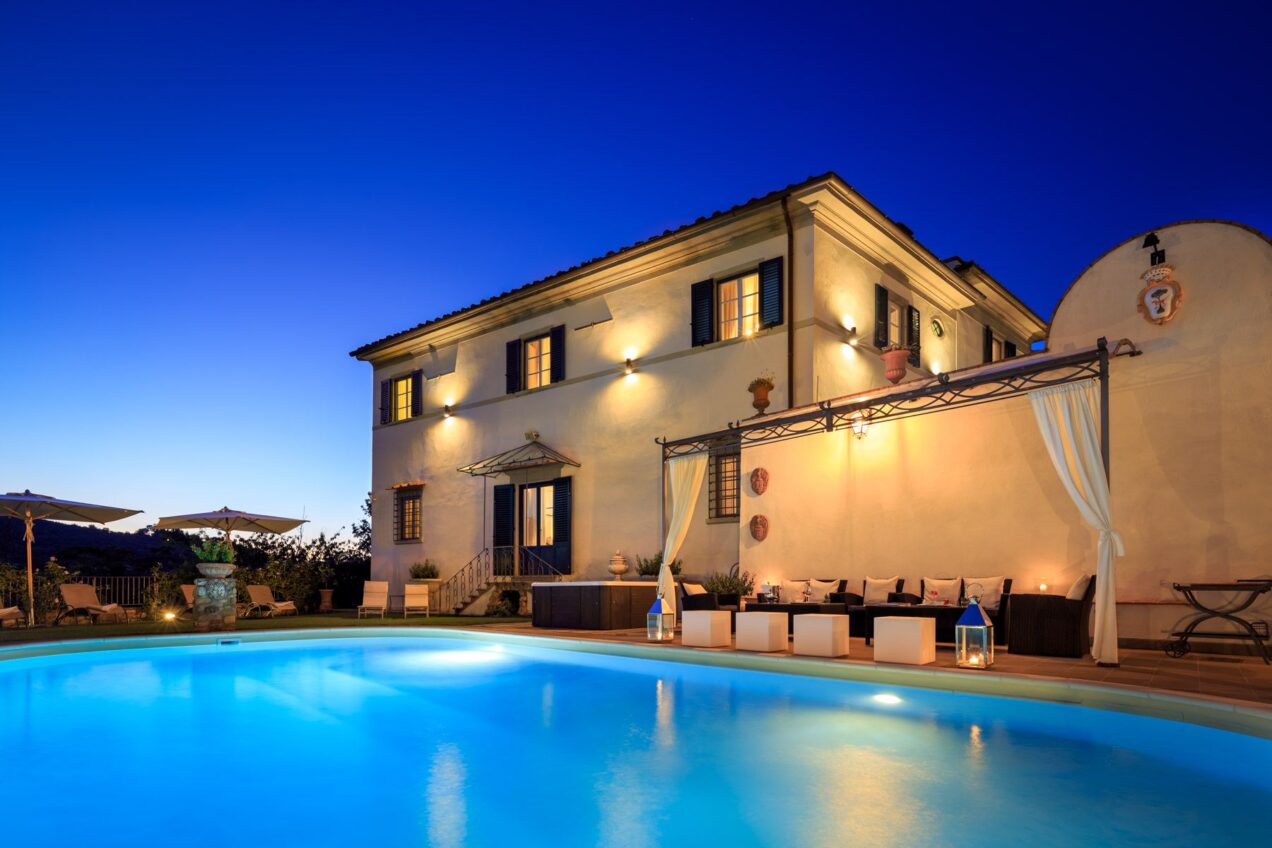
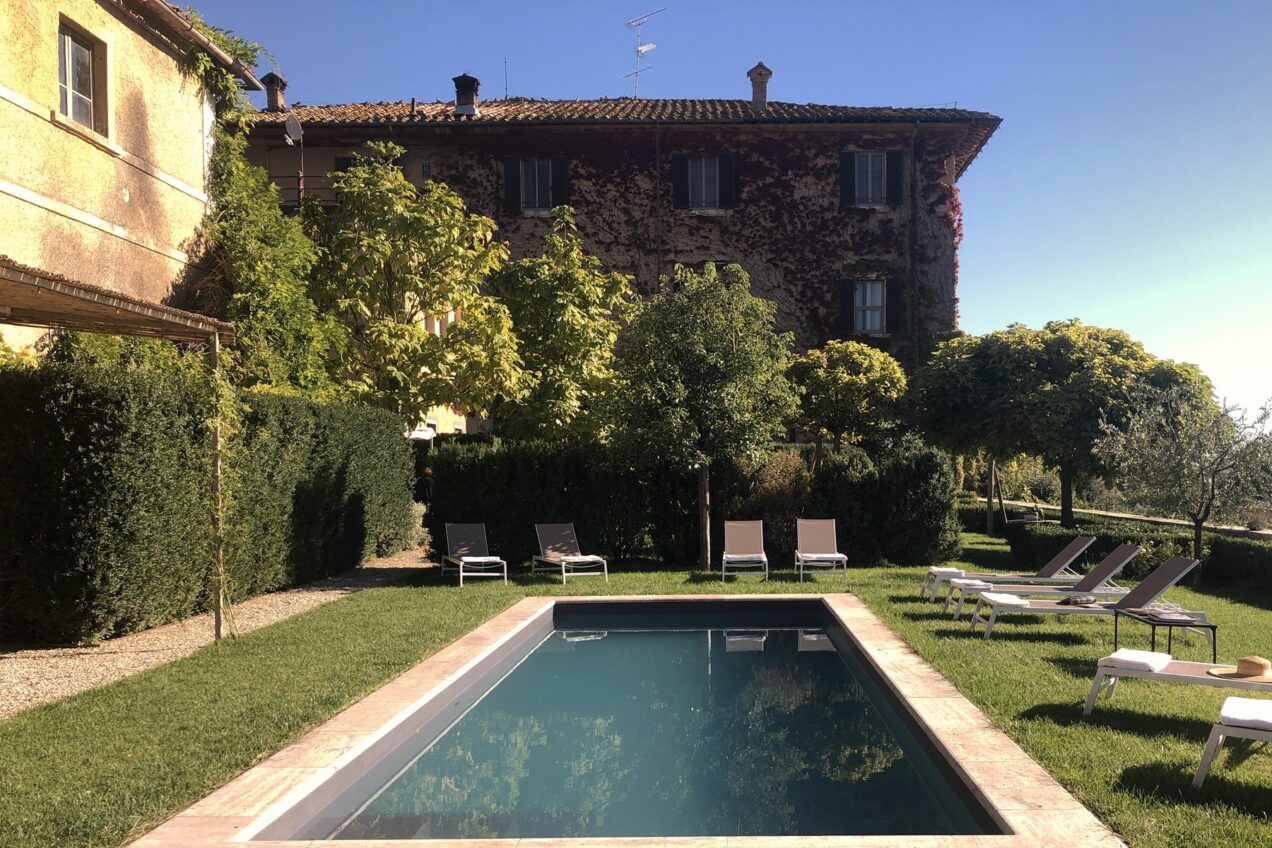
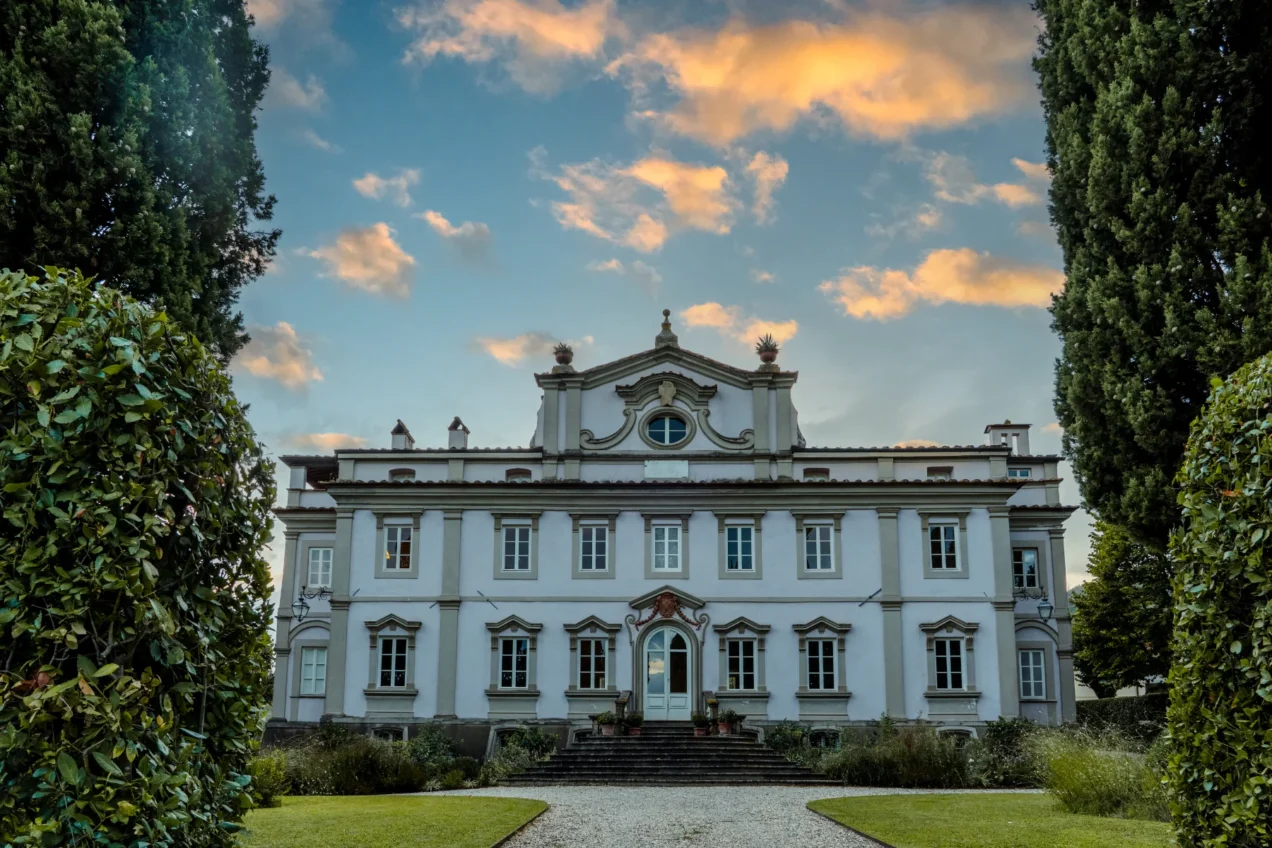
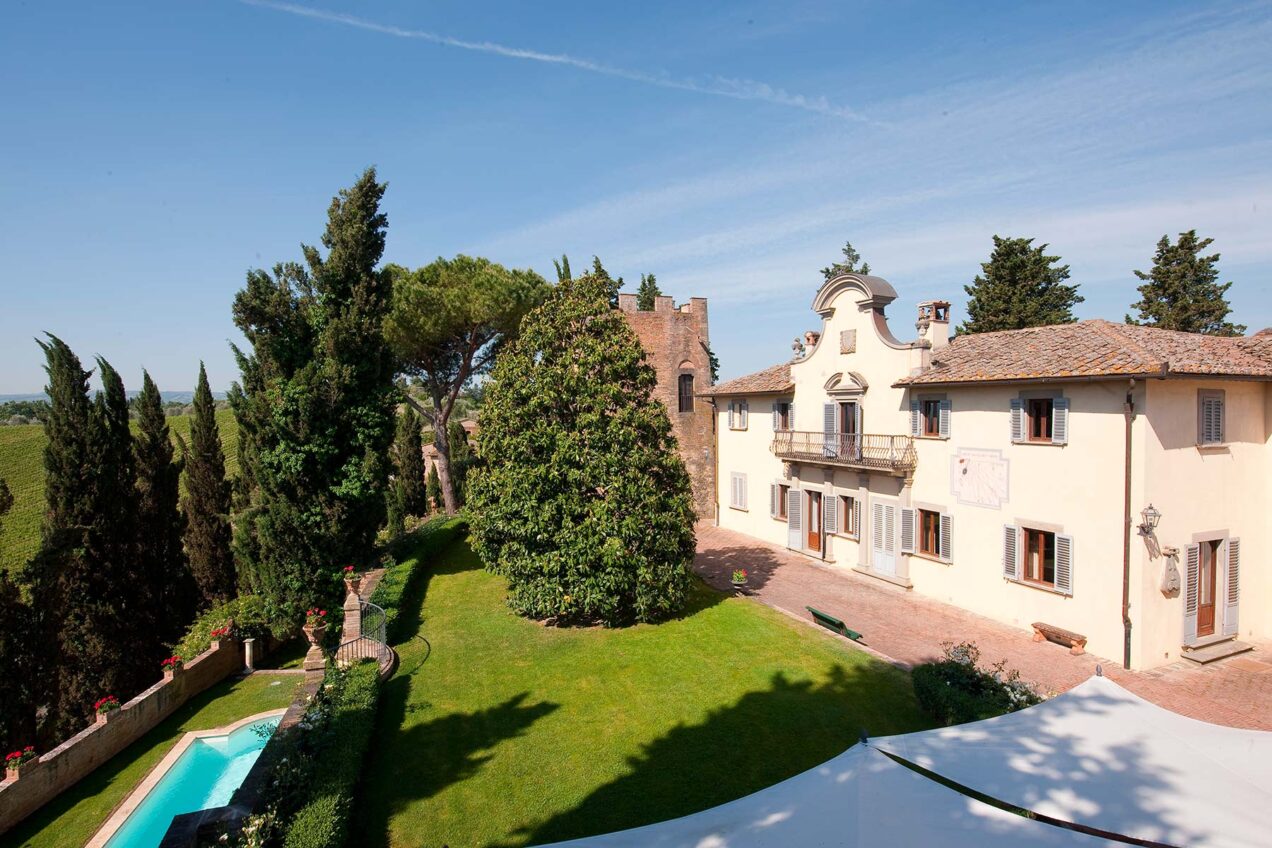
The villas in and around Florence range from converted farmhouses in the Chianti hills to grand Renaissance properties with formal gardens on the city’s edges. Most are within 20–40 minutes of the Duomo — close enough for day visits, far enough to feel genuinely rural. This is one of the most sought-after villa destinations in Italy for good reason.
Florence is one of Italy’s most visited cities year-round, which makes timing your visit — and your villa stay — genuinely important. The city never fully closes, but the experience varies enormously by season.
April & May — The Sweet Spot
Warm but not hot (18–24°C / 64–75°F), with the Tuscan countryside at its most photogenic — bright green hills, wildflowers, early poppies in the fields. Crowds are building but manageable if you book museum tickets in advance. The light is extraordinary for photography. Highly recommended for first-time visitors.
June to August — Peak Season
Summer brings long days, outdoor dining, and the full Italian holiday atmosphere — but also queues, peak pricing, and temperatures that can reach 34–36°C (93–97°F) in July and August. The saving grace of a villa stay: you retreat to your pool and garden in the afternoon heat and visit the city in the cooler mornings and evenings. Many Florentines leave in August, and some smaller restaurants close — but the major sights stay open and the evenings are magical.
September & October — Arguably the Best Month
September is widely considered the finest month in Tuscany. The grape harvest begins, the summer heat softens (22–27°C / 72–81°F), crowds thin noticeably after mid-September, and the quality of light takes on the warm golden tones that put Tuscany on every photographer’s bucket list. October brings the olive harvest and the new season’s wine — an exceptional time to be here.
November to March — Off Season
Florence in winter is quieter, cooler (6–12°C / 43–54°F), and often atmospheric — morning fog in the Arno valley, Christmas markets, the museums yours to explore in near-solitude. Villa rates drop significantly. The truffle season peaks in November and the Chianti wine cellars open for tastings. Worth considering if crowds and high-season prices are a concern.
| Month | Avg. Temp | Crowds | Highlights |
|---|---|---|---|
| April | 18°C / 64°F | Medium | Spring countryside, Fiesole views |
| May | 23°C / 73°F | Medium–High | Ideal weather, Iris Garden blooms |
| June | 27°C / 81°F | High | Long evenings, Calcio Storico festival |
| July | 31°C / 88°F | Very High | Peak season — book well ahead |
| August | 30°C / 86°F | High | Pool days essential |
| September | 25°C / 77°F | Medium | Grape harvest — outstanding |
| October | 19°C / 66°F | Low–Medium | Olive harvest, wine tastings |
| November | 13°C / 55°F | Low | Truffle season, quiet museums |
| December | 8°C / 46°F | Low | Christmas markets, festive atmosphere |
Florence itself is a compact, largely walkable city — the historic centre is small enough to cross on foot in 20 minutes. But a villa stay in Tuscany almost always calls for a car, and having one transforms what the region offers.
Getting to Florence
Florence Airport (Amerigo Vespucci / Peretola) handles direct flights from London, Paris, Amsterdam, Brussels, Zurich and other European hubs. It is a small, efficient airport just 5km from the city centre — a taxi takes 15 minutes. Alternatively, Pisa International Airport is 80km away and handles more routes, including some transatlantic connections via partner airlines; a train from Pisa Centrale to Florence Santa Maria Novella takes 1 hour. Rome Fiumicino is 280km south — around 1 hour 30 minutes by the Frecciarossa high-speed train.
Hiring a Car — Essential for Villa Guests
For any villa stay outside Florence city itself, a rental car is not optional — it is the key to the experience. The Chianti hills, the Val d’Orcia, San Gimignano, Volterra, the wine estates and the olive oil producers are all accessible only with independent transport. Pick up your car at the airport or train station; most villas have private parking.
Important: ZTL Zones in Florence
Florence’s historic centre is a restricted traffic zone (Zona Traffico Limitato) enforced by cameras 24 hours a day. Driving into the centre without a permit triggers an automatic fine. If you plan to drive to the city from your villa, park in one of the peripheral car parks (Parterre, Piazza della Libertà, or the Borghetto) and walk or take a taxi from there. Your villa host can advise on the best approach.
Within the City
On foot is genuinely the best way to explore the historic centre — the distances between the Uffizi, the Duomo, the Accademia and the Oltrarno are all walkable. Taxis are plentiful and reasonably priced for longer journeys. Cycling is increasingly practical, with bike-share schemes and dedicated lanes along the Arno.
Day Trips by Car
From a Florence villa, you can reach: Siena (1 hour 15 minutes), San Gimignano (1 hour), Chianti wine estates (30–45 minutes), Pisa (1 hour), Lucca (1 hour 10 minutes), and the Val d’Orcia (1 hour 30 minutes). The A1 motorway connects Florence to Rome in 2 hours 30 minutes.
Florence is one of the world’s great art cities — a compact Renaissance capital where the density of extraordinary things to see per square kilometre is without parallel anywhere in Italy. A villa stay gives you the freedom to pace this properly, rather than rushing through in two days with a tour group.
The Essential Florence
The Uffizi Gallery
Home to Botticelli’s Birth of Venus and Primavera, Raphael, Leonardo, Michelangelo, Titian, Caravaggio — the Uffizi is one of the greatest collections of Renaissance art in the world. Book tickets well in advance (at least 2–3 weeks in peak season). Allow 3–4 hours minimum; two visits if you can manage it.
The Accademia and Michelangelo’s David
The David is one of those rare cases where the real thing genuinely surpasses expectations. The Galleria dell’Accademia is smaller than the Uffizi and often easier to navigate. Again, pre-book; early morning slots are significantly quieter.
The Duomo and Brunelleschi’s Dome
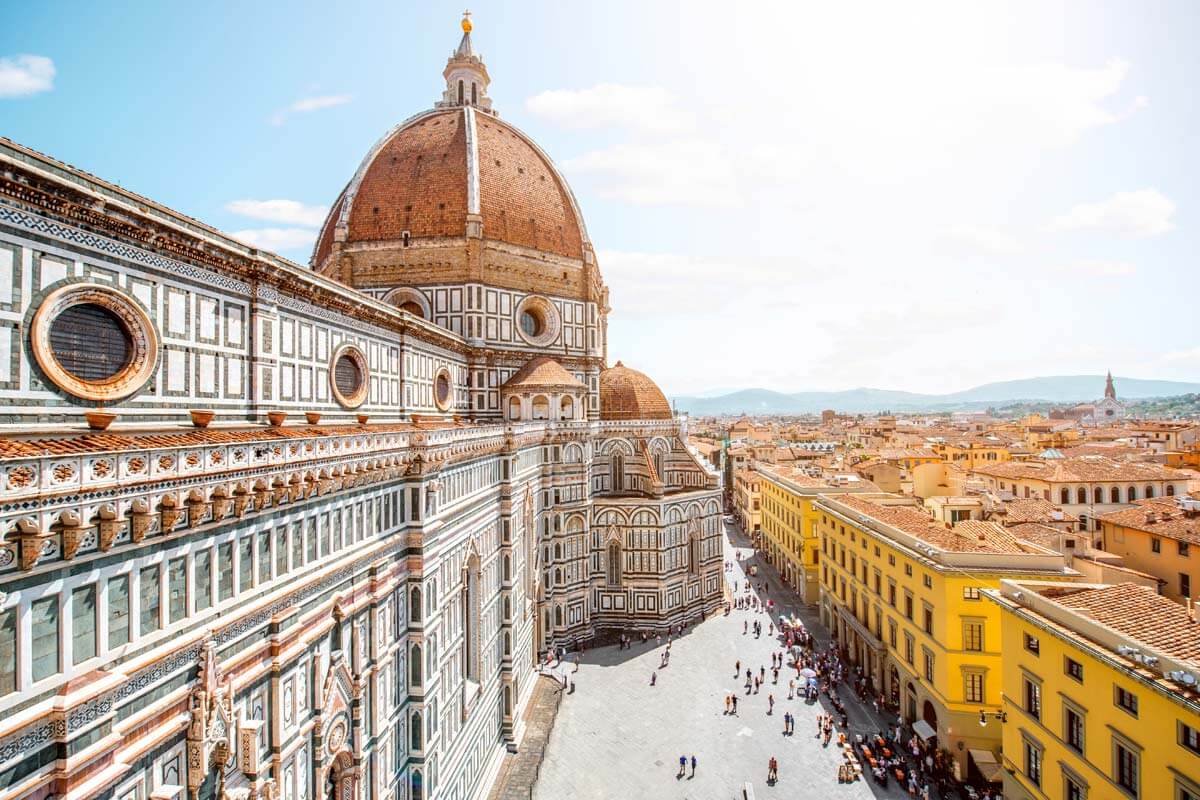
The climb to the top of Brunelleschi’s dome (463 steps, no lift) rewards with one of the finest views in Tuscany. The cathedral complex includes the Baptistery, Giotto’s Campanile, and the Opera del Duomo museum, which houses the original Ghiberti Doors and Michelangelo’s unfinished Pietà. A combined ticket covers all sites.
The Oltrarno
The neighbourhood across the Ponte Vecchio from the main tourist circuit is Florence at its most authentic — artisan workshops, local restaurants, the Palazzo Pitti and the Boboli Gardens, the Brancacci Chapel (with Masaccio’s extraordinary frescoes), and the panoramic views from Piazzale Michelangelo at sunset. Less visited than the north bank and all the better for it.
Beyond the City
The Chianti Wine Route
The hills between Florence and Siena are dotted with wine estates offering tastings, cellar tours, and some of the most beautiful landscapes in Tuscany. Estates like Antinori, Brolio, and Castello di Ama are all accessible in a half-day drive. Arrange a driver if tastings are the priority.
Fiesole
The hill town above Florence — 20 minutes by taxi or bus — offers Roman ruins, an Etruscan museum, and sweeping views over the city and the Arno valley. A favourite short excursion for villa guests who want a quieter alternative to the city.
San Gimignano and Volterra
Two of Tuscany’s finest medieval hill towns, both within 1 hour 15 minutes of Florence. San Gimignano for its famous towers and the Vernaccia white wine; Volterra for its Etruscan museum and alabaster workshops.
Tuscan cuisine is one of the world’s most imitated and least understood. The real thing — in a Florence neighbourhood trattoria, at a farm table in the Chianti hills, or in your villa kitchen with produce from a local market — bears little resemblance to the generic Italian food served under its name elsewhere. It is honest, seasonal, and intensely local.
What to Eat in Florence
Bistecca alla Fiorentina — The definitive Florentine dish: a thick T-bone steak from the Chianina or Maremmana breed, grilled over wood or charcoal, served rare (al sangue) with nothing but salt, white pepper and olive oil. Ordered by weight (typically 800g–1.2kg for two people). Never ask for it well done. The best versions are at Buca Mario, Buca dell’Orafo, and Trattoria Sostanza.
Lampredotto — Florence’s quintessential street food: tripe (the fourth stomach of a cow) slow-cooked in broth, sliced and served in a bread roll with salsa verde and chilli. Eaten standing at a lampredottaio (street cart). Nerbone in the Mercato Centrale is the most famous; Tripperia Pollini is also excellent. Not for the faint-hearted but entirely unmissable.
Ribollita — A thick bread-and-vegetable soup (cavolo nero, cannellini beans, stale bread, good olive oil) that is the backbone of Florentine cucina povera. Properly made, it is one of the most deeply satisfying winter dishes in Italian cooking.
Schiacciata — Tuscan flatbread, olive-oil rich and dimpled, eaten plain or filled with prosciutto and fresh figs in season. Ubiquitous and excellent from any good bakery.
Wine: What to Order in Tuscany
Chianti Classico DOCG — The Sangiovese-based red wine of the hills between Florence and Siena. At its best — from producers like Isole e Olena, Fontodi, Montevertine or Castello di Volpaia — it is one of Italy’s greatest wines. Look for Gran Selezione for single-vineyard expressions or Riserva for aged versions.
Brunello di Montalcino DOCG — Italy’s most celebrated red wine (100% Sangiovese Grosso), from the hills around Montalcino south of Siena. Requires minimum 5 years ageing; at its best it rivals Barolo and Burgundy. Not a casual lunch wine — save it for the right occasion.
Vernaccia di San Gimignano DOCG — Tuscany’s finest white wine: dry, mineral, with a slightly almond-tinged finish. Drink young and cold with antipasti or seafood.
Vin Santo — The traditional dessert wine of Tuscany: golden, oxidative, made from dried grapes. Served with cantucci biscuits for dipping. A ritual that ends every proper Tuscan meal.
Markets and Villa Provisions
The Mercato Centrale in San Lorenzo is Florence’s main covered food market — excellent for cheese, charcuterie, truffles (in season), fresh pasta, and produce. The Sant’Ambrogio market, a 10-minute walk east of the centre, is less touristy and arguably better. For villa guests in the Chianti hills, the weekly markets in Greve in Chianti, Panzano and Radda are excellent for local provisions. Our concierge can arrange a curated weekly delivery of Tuscan products directly to your villa.
Is Florence a good base for a Tuscan villa holiday?
Yes — Florence is the natural hub of northern Tuscany and one of the best-connected bases in the region. Within 90 minutes by car you can reach virtually every major Tuscan destination: the Chianti wine country, Siena, San Gimignano, Volterra, Pisa, Lucca, and the Val d’Orcia. The city itself is a world-class destination that rewards repeated visits.
Do villa guests need a car?
Yes, for anything outside the immediate city. The Tuscan countryside is not accessible by public transport in any meaningful way. Hire a car from the airport or Florence’s train station. Note that driving into the city’s historic centre (ZTL zone) requires a special permit — park at the city perimeter and take a taxi or walk in.
How far are the villas from the city centre?
Most of our Florence-area villas are between 15 and 45 minutes from the Duomo — some in the Chianti hills, some on the city’s immediate outskirts, some in the Fiesole hills to the north. Each property listing includes exact distances and driving times.
Is it worth visiting Florence in August?
Yes, though with some caveats. July and August are the hottest and most crowded months, but a villa with a pool turns this into an advantage — you use the city in the cooler mornings and evenings, and retreat to the pool in the afternoon. Many smaller Florentine restaurants close in August, but all major museums and restaurants stay open. Book museum tickets well in advance.
What is the minimum stay at Florence villas?
Most properties require a 7-night minimum in peak season (mid-June to mid-September). Shorter stays of 3–5 nights are typically available in spring and autumn. Our search tool shows live availability for each property.
Can we do a cooking class or wine tasting from our villa?
Absolutely — this is one of the most popular add-ons for Florence villa guests. Cooking classes, Chianti wine estate tours, truffle hunting (in season), and private chef evenings at your villa can all be arranged through our concierge service. Mention your interest when booking and we will prepare options for your stay.
How far is Florence from Rome?
Florence is approximately 280km from Rome — around 1 hour 30 minutes by Frecciarossa high-speed train, or 2 hours 30 minutes by car via the A1 motorway. An easy and popular day trip in either direction.
Get in touch with us. Tell us dates, guests, and style — we’ll help you find the most suitable villas for your trip to Florence.
Ask our concierge