


Attraction
Bussento Caves WWF Oasis
A WWF oasis where the Bussento river resurfaces among woodland, paths and historic mills.
Attraction
A WWF oasis where the Bussento river resurfaces among woodland, paths and historic mills.
Attraction
A delicate waterfall framed by maidenhair fern in the protected Cilento landscape.
Attraction
A monumental Carthusian monastery known for its vast cloister and richly layered architecture.
Attraction
A complex Mediterranean city of ancient streets, churches, museums and living neighbourhoods.
Attraction
A guided cave system where an underground river forms part of the visitor route.
Attraction
The excavated Roman city preserved by the eruption of Vesuvius in AD 79.
Attraction
A lively Campanian city combining a medieval cathedral, historic streets and an Adriatic-facing waterfront.
The Amalfi Coast’s Most Iconic Village – Clifftop Villas Above Vertical Terraces and the Tyrrhenian Sea
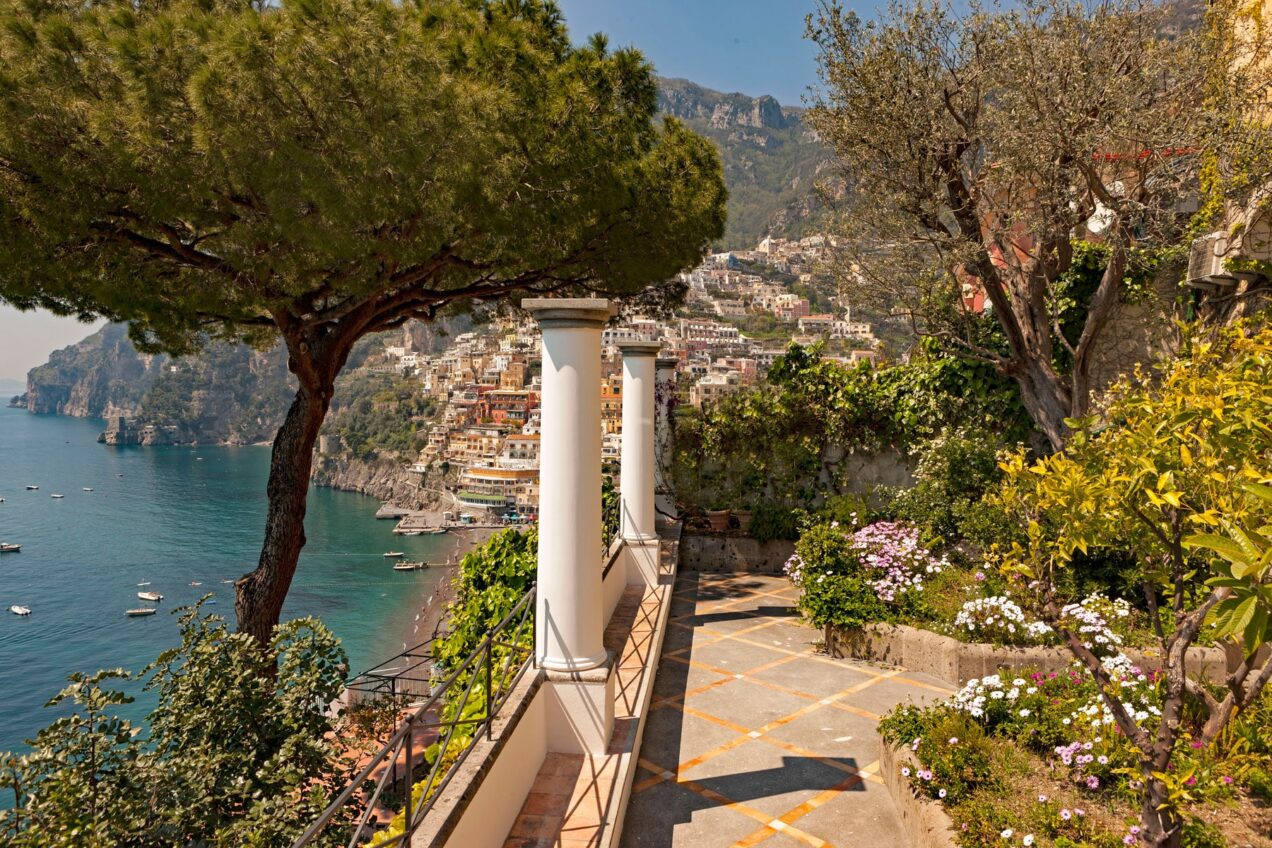
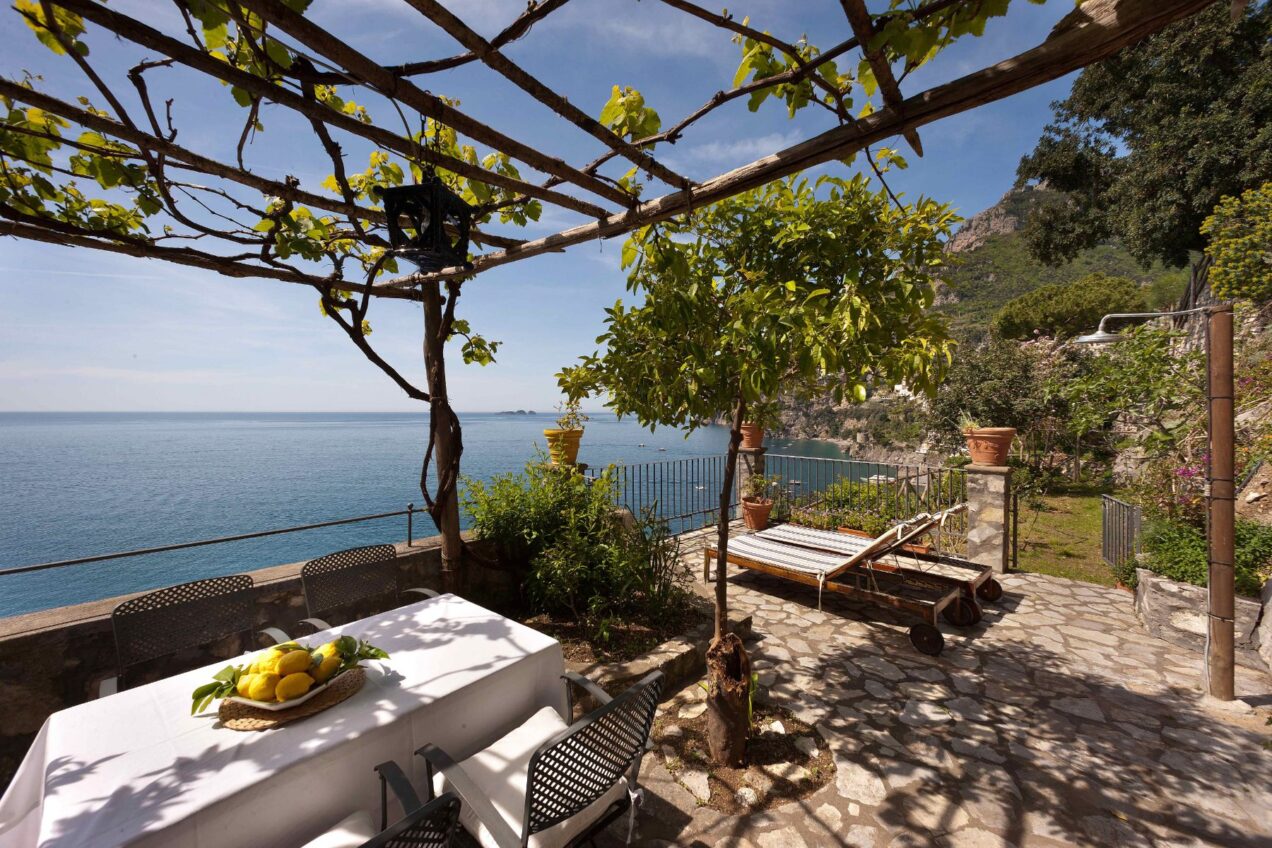
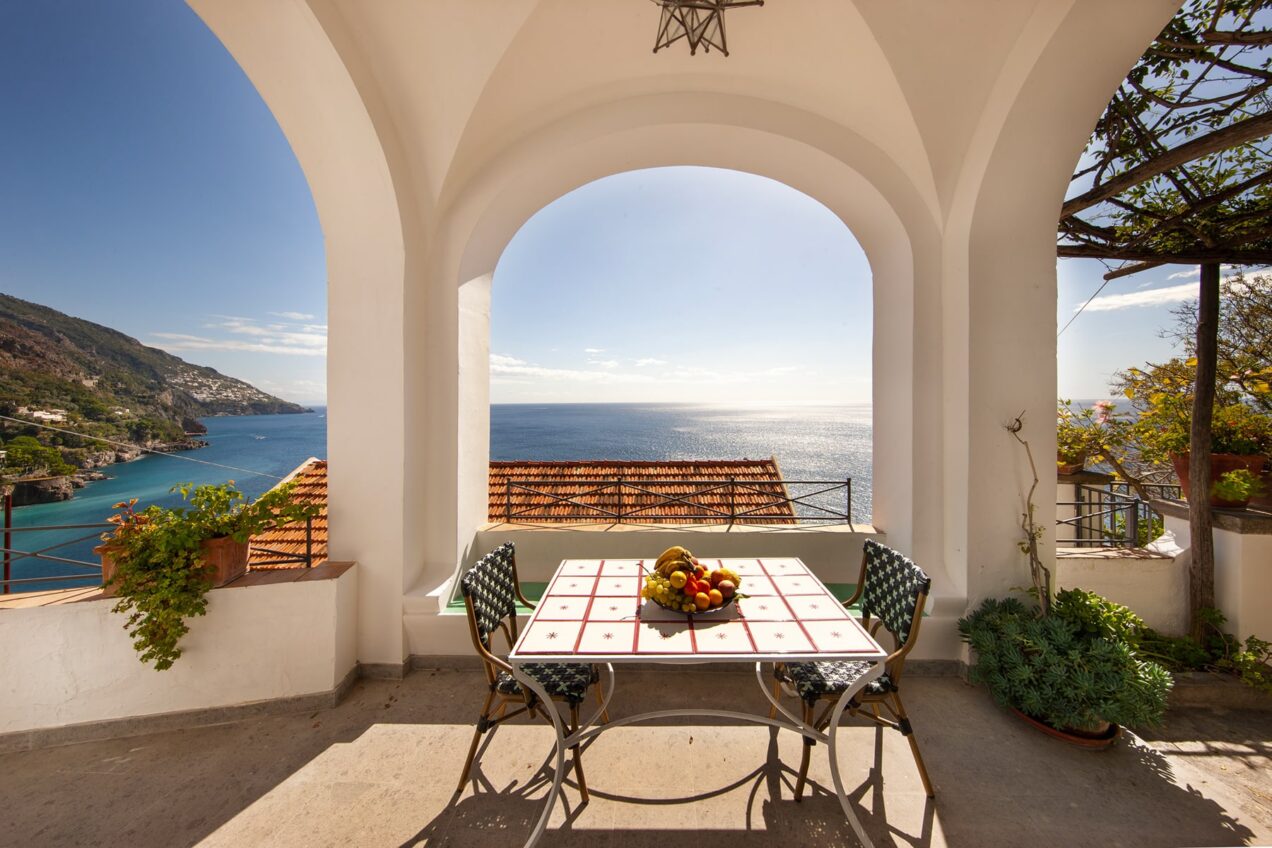
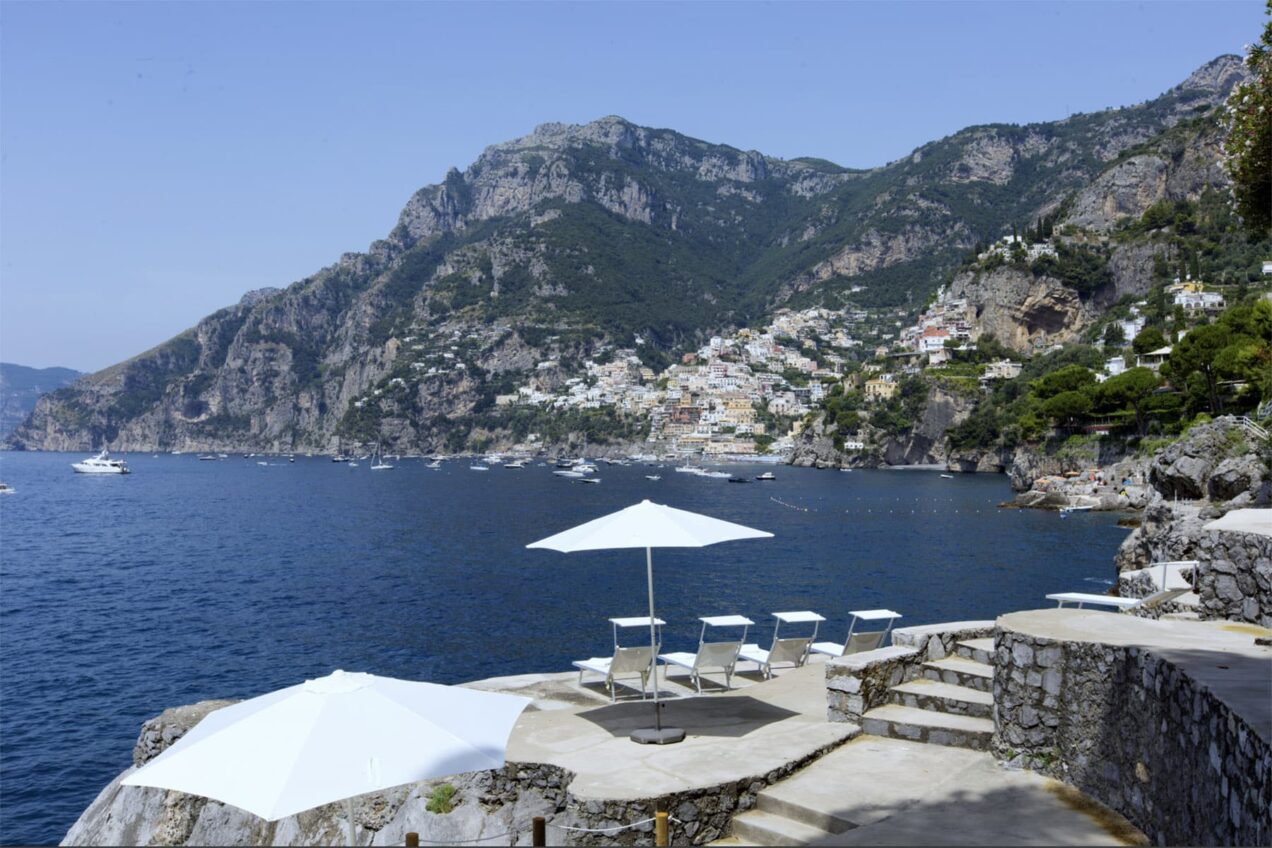
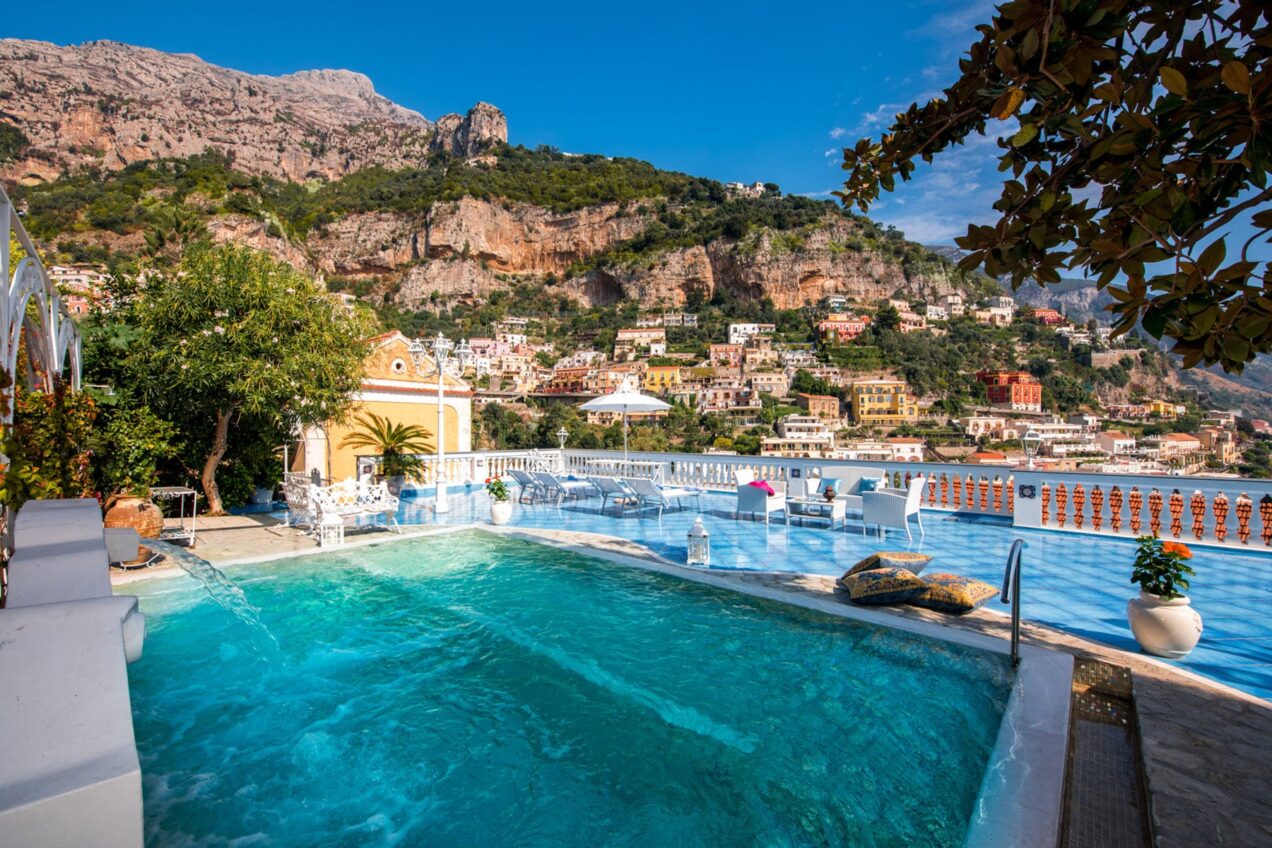
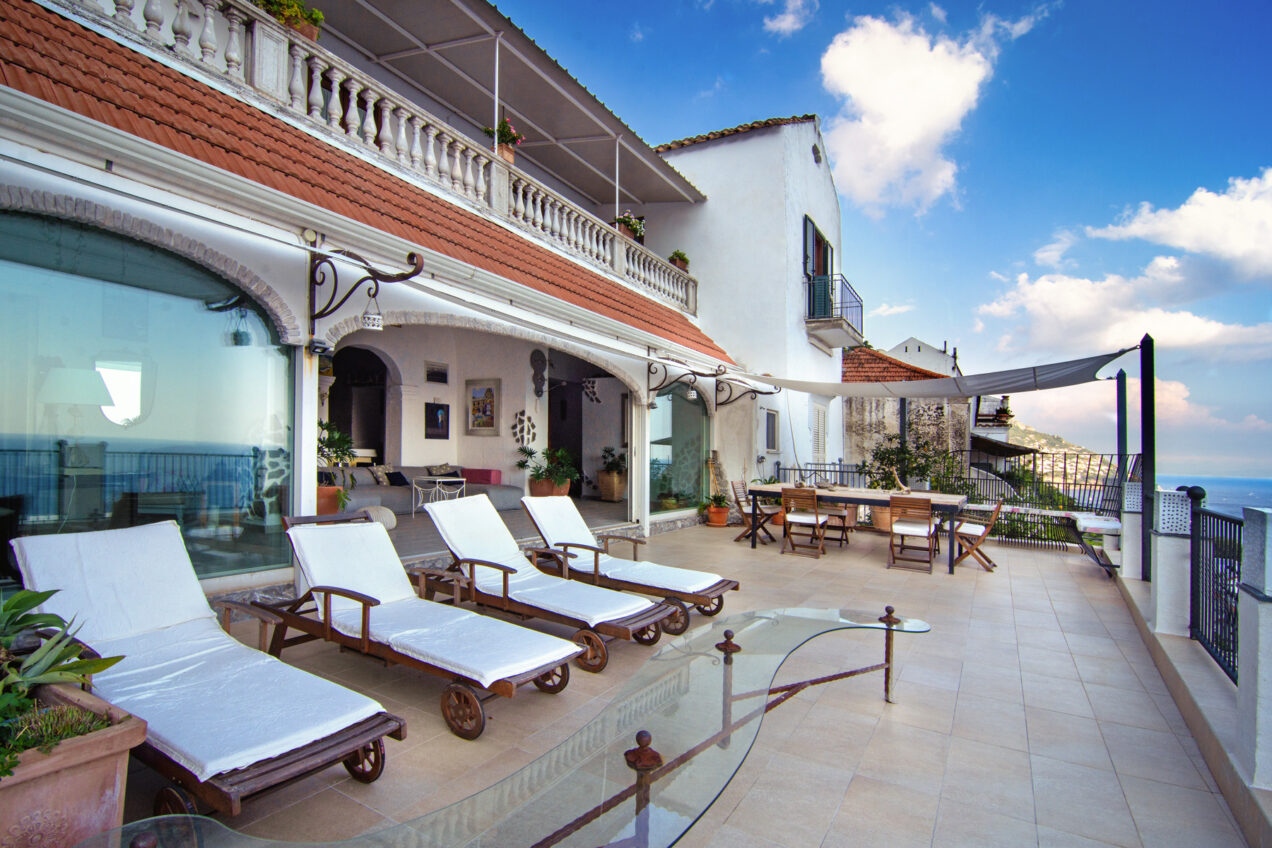
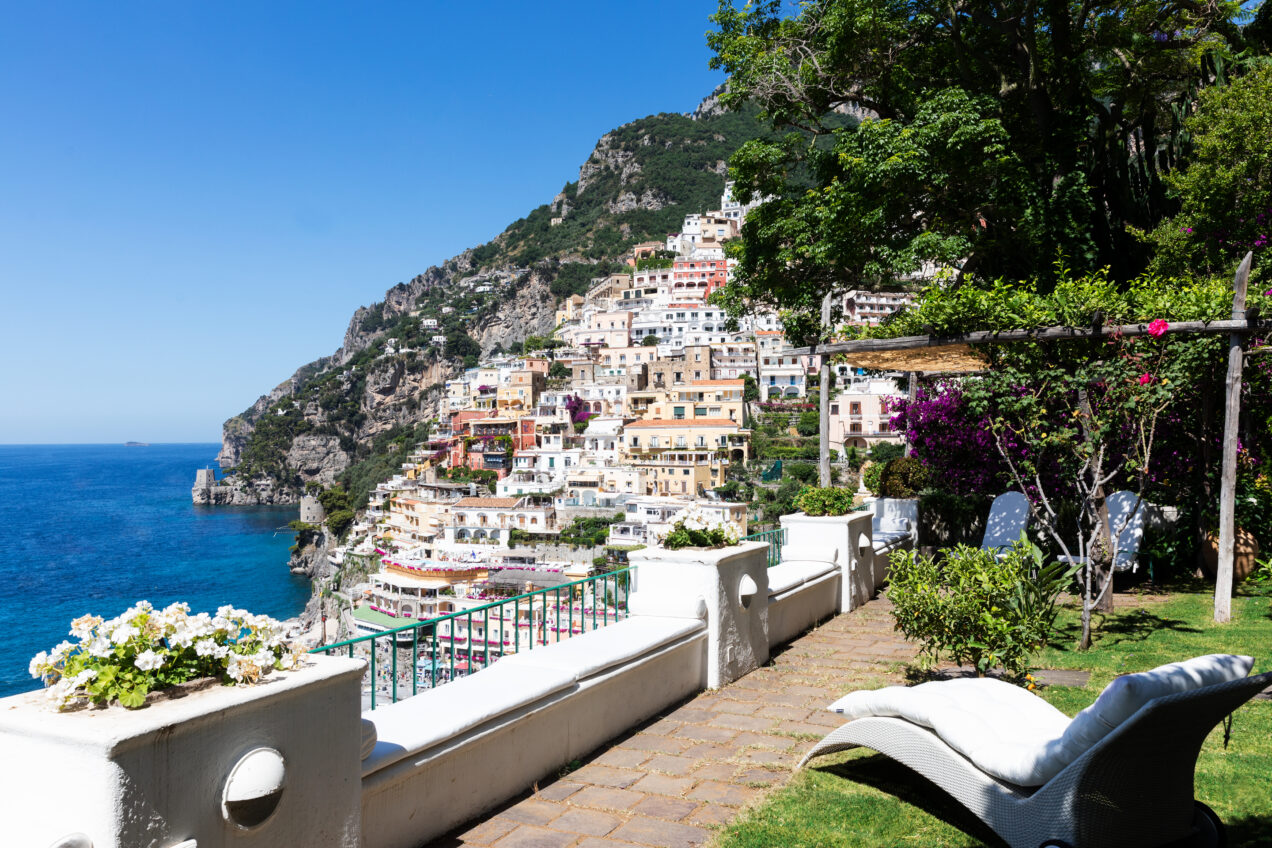
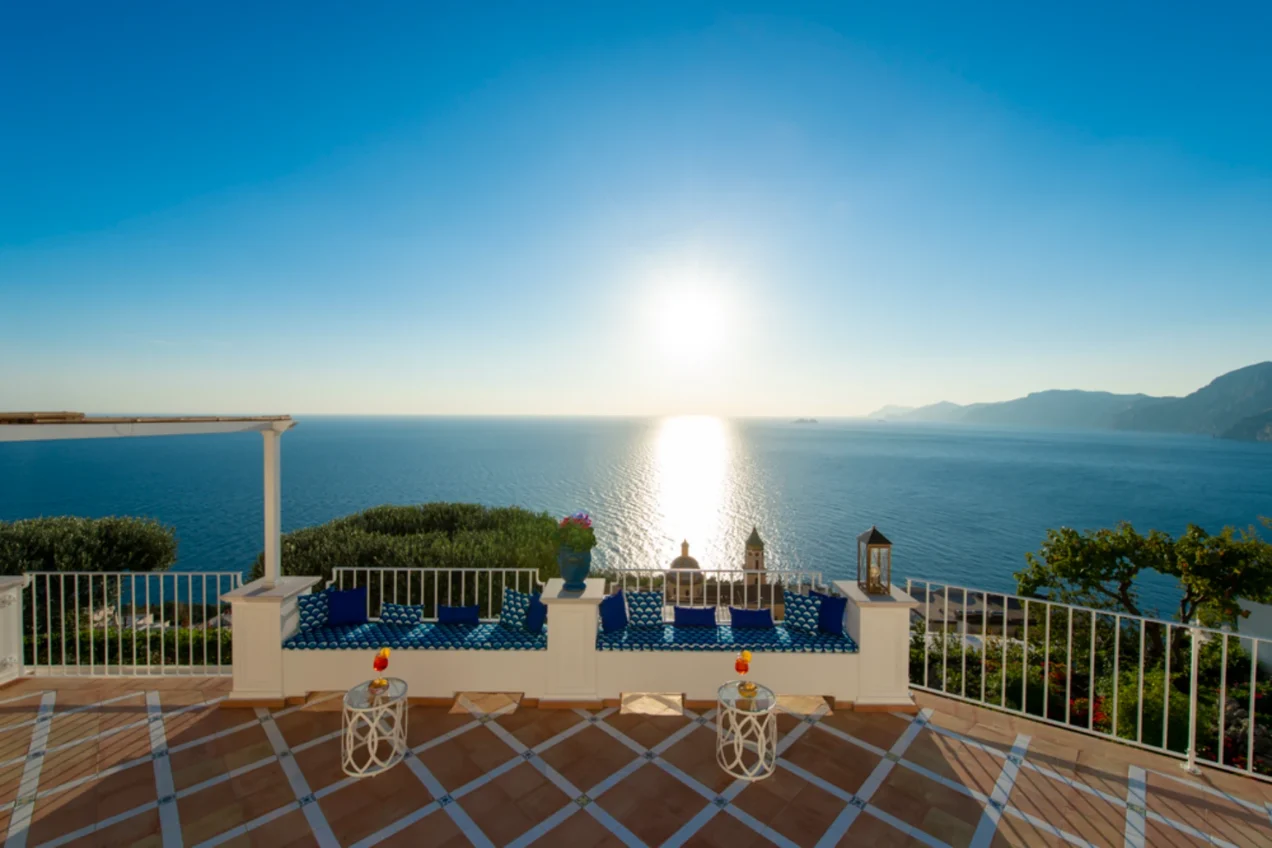
Positano is the image that defines the Amalfi Coast in the imagination of most visitors — the pastel-coloured houses stacked vertically on the cliff face, the bougainvillea cascading over white walls, the small beach below. It is one of the most photographed villages in Italy, and for very good reason. A stay in a Positano villa — looking down over the rooftops and the sea from a private terrace — is among the finest experiences the Italian south has to offer.
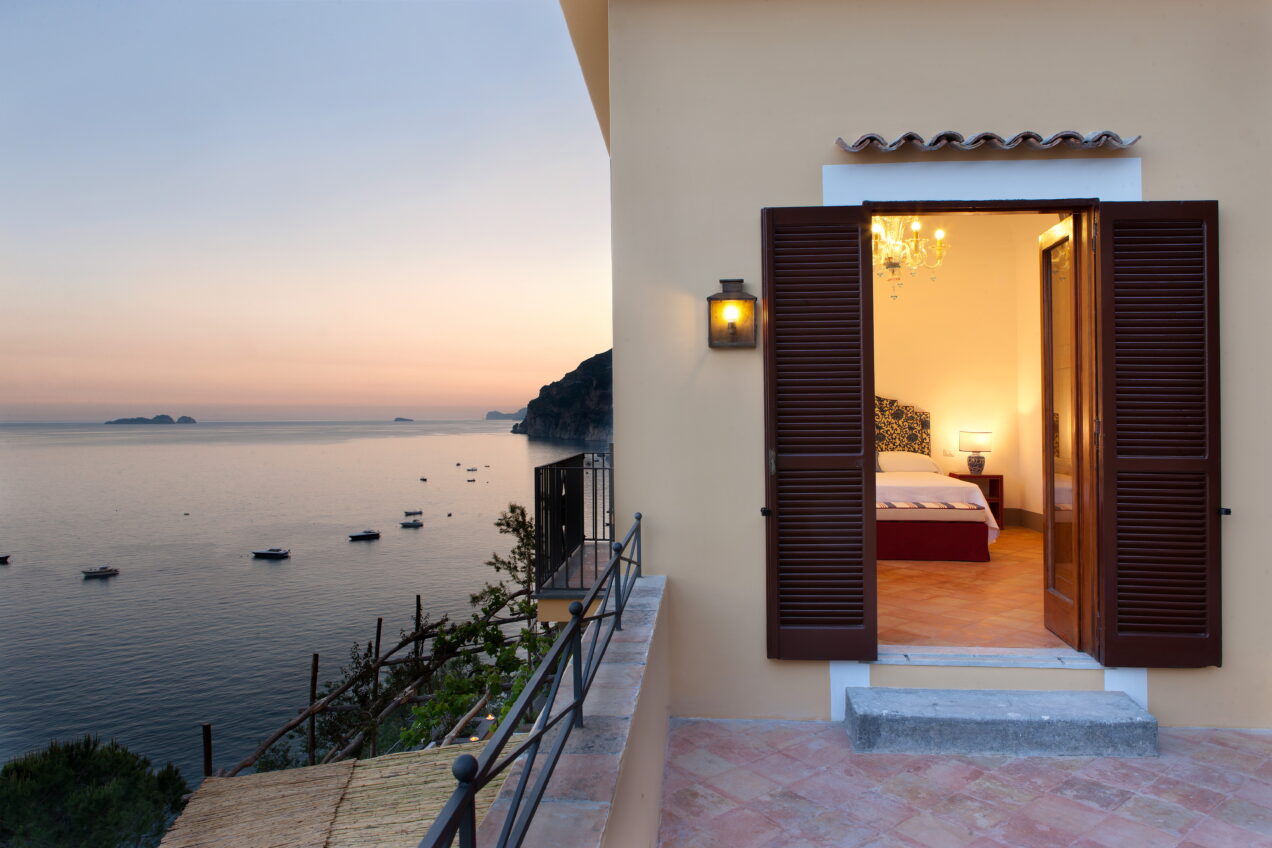
Positano is steep, compact and relatively small; it is best approached by sea for the full visual impact and best explored on foot, accepting that any journey involves stairs. The village rewards slow exploration: the ceramics workshops, the handmade sandal makers of Via dei Mulini, the narrow alleys that lead to unexpected viewpoints. But the centrepiece of a Positano stay is always the terrace, the sea, and the light — particularly in the golden hour before sunset, when the whole cliff face turns amber.
Positano’s south-facing position on the Amalfi Coast gives it one of the warmest and most sheltered microclimates in Italy. The season is long, but the timing of your visit significantly shapes the experience — this is one of the most visited villages in the country, and managing the crowds is part of the planning.
May & June — Outstanding
The finest months on the Amalfi Coast. The sea is warming (19–22°C), the bougainvillea is at full bloom, temperatures are warm but not oppressive (22–27°C / 72–81°F), and the village has not yet reached its summer peak. The ferries are running on summer schedules. Early June in particular offers near-perfect conditions — the boats are less crowded, the restaurants are at their best, and Positano’s famous light is at its most beautiful in the long pre-solstice evenings.
July & August — Peak Season
High summer brings maximum visitors, maximum prices, and maximum heat (28–32°C / 82–90°F). The beach fills by 10am, the ferry queues are long, and the village’s narrow stairs and alleys can feel genuinely congested mid-day. A villa with a private terrace and sea view is essential — it gives you a private refuge from the crowds and means the village can be enjoyed on your own terms, early morning and evening. Book everything well in advance.
September & October — Excellent
September sees the summer rush subside while the sea remains warm (24–25°C) and the weather is settled and sunny. October is cooler (20–22°C) but often brilliantly clear. Both months offer the full Positano experience — the food, the views, the boat trips — without the July and August intensity. Strongly recommended for couples and those without fixed school holiday dates.
November to April — Off Season
Positano in winter is quiet but not closed — a handful of year-round restaurants and shops maintain the village’s character. The views of the coast on a clear winter day are extraordinary. Villa rates are significantly lower. Worth considering for a short out-of-season escape, though some properties close November–March.
| Month | Avg. Temp | Sea Temp | Crowds |
|---|---|---|---|
| May | 21°C / 70°F | 19°C | Medium |
| June | 26°C / 79°F | 22°C | Medium–High |
| July | 29°C / 84°F | 25°C | Very High |
| August | 30°C / 86°F | 26°C | Very High |
| September | 26°C / 79°F | 24°C | Medium |
| October | 20°C / 68°F | 21°C | Low–Medium |
Getting around Positano requires embracing a fundamental truth: you will be walking up and down stairs, and that is non-negotiable. The village is built vertically on a cliff face; there are no flat routes between the upper and lower sections. Understanding this before you arrive — and choosing a villa accordingly — makes the difference between a wonderful holiday and a frustrating one.
Getting to Positano
Positano has no airport, train station or major road terminal. The nearest access points are: Naples International Airport (Capodichino, 60km — approximately 1 hour 30 minutes by car or private transfer depending on traffic), Sorrento (35 minutes by ferry, 45 minutes by car), and Salerno (1 hour by ferry, 50 minutes by car). A private transfer from Naples Airport directly to your Positano villa is the most comfortable option; arrange this in advance as transfers into the village require knowledge of the access roads.
The SITA Bus
The SITA orange buses run along the Amalfi coastal road (SS163) connecting Sorrento, Positano, Amalfi and Salerno. They are cheap and reliable but get extremely crowded in summer; standing for the full journey is common in July and August. The orange buses stop at Sponda (upper Positano) and Chiesa Nuova — from both stops, the village is accessed by stairs or the local orange shuttle bus.
Ferries — The Best Way to Move
The ferry services connecting Positano to Sorrento (35 minutes), Amalfi (20 minutes), Capri (50 minutes) and Naples (1 hour 45 minutes by fast ferry) are the finest way to experience the Amalfi Coast. Departures run April–October from the main beach jetty. Tickets are available on the day in low season; book or arrive early in July and August as boats fill fast.
Should I Hire a Car?
For a pure Positano stay, a car is more burden than help. Parking in and around the village is extremely limited and expensive; the village itself is pedestrian-only. If you want to explore further afield — Pompeii, Paestum, the Sorrento Peninsula — then a car hired from Sorrento (reachable by ferry) makes more sense than bringing one to Positano. Our concierge can advise based on your programme.
Getting Around Within Positano
The village is accessed by the Via Cristoforo Colombo (upper road) and the Via dei Mulini (lower road), connected by numerous stairways. A small local shuttle bus (the orange interno bus) runs between Sponda at the top and the beach below — €2, runs frequently, essential for guests whose villa is in the upper village. Taxis for luggage transfer on arrival are essential; our concierge coordinates this for every booking.
Positano is a place to slow down rather than tick off a list — its pleasures are primarily sensory: the colours, the light, the food, the sea. But the surrounding coastline and islands provide extraordinary excursion possibilities.
In Positano
The Beach and the Sea
Spiaggia Grande is the main beach — pebbly, small by international standards, but with clear water and the extraordinary backdrop of the cliff-face village above. Sun lounger hire from the beach concessions is the norm in summer. The smaller Spiaggia del Fornillo, a short walk west past the rocks, is quieter, less commercial and preferred by locals. Swimming directly off the rocks below many villas is also possible — ask your villa host.
The Church of Santa Maria Assunta
The village’s 13th-century church, capped with its distinctive majolica-tiled dome, houses a Byzantine icon of the Black Madonna that has been venerated in Positano for centuries. The interior is modest but the setting — at the foot of the cliff beside the beach — is magnificent.
Shopping: Ceramics and Sandals
Positano has two genuine craft traditions worth seeking out. The hand-painted ceramics (plates, tiles, pots in the distinctive Amalfi palette of cobalt, lemon and white) are produced locally and make excellent souvenirs. The handmade leather sandals — fitted and made to measure in 30 minutes in the workshops along Via dei Mulini — are a Positano institution. Prices are reasonable given the quality.
Day Trips by Boat
Capri (50 minutes by fast ferry)
The island of Capri — the Blue Grotto, the Faraglioni, the Gardens of Augustus — is a natural day trip from Positano by direct ferry. Go early; the day-tripper crowds arrive from Naples mid-morning. A circumnavigation of the island by rented motorboat is one of the finest experiences on the Campanian coast.
Li Galli Islands
The three small uninhabited islands visible from Positano’s beach — once owned by Rudolf Nureyev — are reachable by private boat charter and offer exceptional snorkelling and swimming in clear water. A morning’s private boat excursion to Li Galli is one of the highlights of a Positano stay; our concierge can arrange this.
The Path of the Gods (Sentiero degli Dei)
The most celebrated walking trail on the Amalfi Coast runs from Agerola above Positano along the clifftop with panoramic views over the coast and the sea. A 7km one-way trail (2–3 hours), best done early morning before the heat builds. Accessible by SITA bus from Positano to the starting point.
Positano’s reputation as one of Italy’s most glamorous destinations has not, in most cases, compromised the quality of its food — the sea is there, the local fishermen still go out daily, and the Campanian culinary tradition is strong enough to survive even the tourist season. The key, as always, is knowing where to eat.
What to Eat
Spaghetti alle vongole — Pasta with clams, the definitive coastal Campanian dish. Order it in bianco (white, without tomato) for the purist version — just clams, white wine, garlic, olive oil and parsley. The clams from the Bay of Naples are excellent. The test of any Positano restaurant is how well they make this.
Alici di Cetara — The anchovies of Cetara (a village along the coast toward Salerno) are among Italy’s finest and are used throughout the local cooking — both fresh (marinated in lemon and served as an antipasto) and in the form of colatura di alici, a fermented anchovy sauce that is the Campanian equivalent of fish sauce. Order them whenever you see them.
Frittura di paranza — Mixed fried small fish (whiting, red mullet, anchovies) caught in the shallow coastal waters. The quality depends entirely on how fresh the fish is and how well it is fried — look for restaurants with direct access to local fishermen.
Delizia al limone — The signature dessert of the Amalfi Coast: a dome-shaped sponge soaked in limoncello syrup, filled with lemon cream and glazed with a lemon glaze. When well-made (and it often isn’t in tourist-facing restaurants), it is a genuinely lovely thing. The version at Il Tridente and at La Tagliata in Montepertuso (above Positano) are both reliable.
Where to Eat
Avoid restaurants with laminated picture menus on the seafront promenade. The better eating is either in the mid-village trattatorie (accessible by the internal stairs) or in the villages above Positano: Montepertuso and Nocelle, reachable by the local bus, have excellent restaurants with lower prices and better cooking than the seafront options — and the view from above is arguably finer. La Tagliata in Montepertuso is the most celebrated; book ahead in summer.
Limoncello
The Sfusato Amalfitano lemon — the local variety, protected by IGP status — is the raw material for the coast’s most famous product. Limoncello made from fresh local lemons, served ice-cold in a chilled glass after dinner, is one of the great small pleasures of the Amalfi Coast. Buy artisan-made bottles from local producers rather than commercially bottled versions.
Wine
Ask for Campanian whites: Fiano di Avellino DOCG (full, structured, excellent with seafood), Greco di Tufo DOCG (crisp, mineral), or Costa d’Amalfi DOC (the local designation, covering whites, rosés and reds from the coast’s terraced vineyards — variable in quality but worth trying a local producer’s version).
Is Positano suitable for a villa holiday with children?
It depends on the children’s ages and the family’s tolerance for stairs. Positano is a steeply vertical village; there are no flat routes and pushchairs/strollers are impractical. For families with children old enough to walk the stairs independently (generally 6+), it works well. For families with very young children or pushchairs, a Sorrento or Amalfi villa — where flat terrain is more accessible — may be more practical. That said, the beach at Spiaggia Grande is excellent for children, and a private villa terrace above the sea is a wonderful setting for any age.
How do I get my luggage to the villa?
This is the most practically important question for Positano arrivals. Your villa host or our concierge will arrange a porter or luggage transfer service to carry bags from the road access point to your villa. This is standard practice in Positano and should be arranged before arrival. Do not attempt to carry large suitcases down the stairs yourself.
Is a car useful in Positano?
Generally no. Parking is extremely limited, expensive and often far from the village itself. For most guests, the combination of ferries (to Sorrento, Amalfi, Capri, Naples) and the SITA coastal bus covers all excursion needs. If you want to visit Pompeii or areas not served by ferry, hiring a car from Sorrento for a specific day makes more sense than keeping a car in Positano for the whole stay.
What is the best way to get from Naples Airport to Positano?
A private transfer is the most comfortable option (approximately 90 minutes, cost around €100–150 depending on vehicle and traffic). Alternatively, take a taxi or Alibus shuttle from the airport to Naples Molo Beverello ferry terminal and then a direct fast ferry to Positano in summer (1 hour 45 minutes) — scenic and reasonably priced but requires coordination of timings. Our concierge arranges transfers for all villa guests.
When is it too crowded to enjoy Positano?
The peak of July and August sees the beach and main streets genuinely congested between 10am and 6pm. The solution is to adapt your rhythm: explore and swim before 9am and after 6pm, use the less-visited Fornillo beach, and retreat to your villa terrace in the middle of the day. A private villa with a sea-view terrace turns the peak season from a problem into a pleasure.
Are there good restaurants near Positano if we want a change of scene?
Yes — Praiano (15 minutes along the coast by boat or bus) is significantly quieter and has excellent fish restaurants. Ravello, 40 minutes by car, offers some of the finest dining on the coast (Rossellinis at Palazzo Avino). Amalfi town (20 minutes by ferry) has a broader choice. Our villa guests receive a curated restaurant guide for the wider Amalfi Coast area with every booking.
Get in touch with us. Tell us dates, guests, and style — we’ll help you find the most suitable villas for your trip to Positano.
Ask our concierge