

Attraction
Abbey of Sant’Antimo
A Romanesque abbey set among olive groves and vineyards in the Val d’Orcia.
Attraction
A Romanesque abbey set among olive groves and vineyards in the Val d’Orcia.
Attraction
A historic Apennine mountain resort with seasonal skiing, forests and highland villages.
Attraction
A working Adriatic port city of hilltop monuments, Roman heritage and dramatic coastal viewpoints.
Attraction
A championship golf course set among wooded Umbrian hills beneath a medieval castle.
Attraction
A hilly coastal golf course overlooking the lagoon and landscapes of Monte Argentario.
Attraction
A historic spa town spread along the Lima valley in the hills north of Lucca.
Attraction
A fortified Maremma village near the coast and Niki de Saint Phalle’s Tarot Garden.
Attraction
A lakeside Lazio village set on a promontory above the clear waters of Lake Bolsena.
Attraction
A tiny Apennine village overlooking the broad plateaux famous for seasonal flowering.
Attraction
A medieval Tuscan hill town overlooking the celebrated landscapes of the Val d’Orcia.
Attraction
A privately managed medieval castle estate in the countryside east of Siena.
Attraction
A UNESCO-listed Etruscan necropolis of monumental tombs cut into the volcanic landscape.
Attraction
A compact Tuscan village beneath Monte Cetona, close to important prehistoric sites.
Attraction
A fragile medieval village perched on a tuff ridge above the Valle dei Calanchi.
Attraction
A Marche coastal city combining Roman remains, Renaissance monuments and an Adriatic seafront.
Attraction
An Umbrian city of medieval streets, civic museums and a central position in the Valle Umbra.
Attraction
A vast limestone cave system explored through guided underground routes in the Marche.
Attraction
A golf course set among the gentle Umbrian hills near Lake Trasimeno.
Attraction
A fortified medieval village dominated by a castle associated with history and Dantean legend.
Attraction
A monumental Umbrian hill town of medieval palaces, stone streets and enduring civic traditions.
Attraction
Emperor Hadrian’s vast Roman villa complex of palaces, gardens, baths and experimental architecture.
Attraction
A volcanic lake in northern Lazio ringed by historic towns, beaches and fertile countryside.
Attraction
A broad Umbrian lake surrounded by islands, historic towns and gentle countryside.
Attraction
A walled medieval town among olive groves and vineyards in the Tuscan Maremma.
Attraction
A medieval Maremma town overlooking the countryside between Saturnia and the Tuscan coast.
Attraction
A wooded Umbrian mountain landscape closely connected with Assisi and Franciscan history.
Attraction
A Renaissance hill town renowned for Vino Nobile and panoramic views across southern Tuscany.
Attraction
A small Sienese village enclosed by a complete medieval ring of walls and towers.
Attraction
An extinct volcanic mountain covered by beech and chestnut forests in southern Tuscany.
Attraction
A walled Umbrian hill town of stone streets, springs and wide Apennine views.
Attraction
A lagoon town linking the Tuscan mainland with Monte Argentario and its coastal nature reserves.
Attraction
Umbria’s regional capital, rich in Etruscan remains, medieval streets and important art collections.
Attraction
An Adriatic city where Rossini’s musical heritage meets museums, beaches and a walkable centre.
Attraction
Tuscany’s busiest airport, connected directly with Pisa Centrale by the PisaMover.
Attraction
A striking hill town built on volcanic tuff, with a historic Jewish quarter and nearby Vie Cave.
Attraction
A historic harbour beneath Spanish fortresses on the Monte Argentario peninsula.
Attraction
Monte Argentario’s principal port, shaped by fishing, ferries and a busy Mediterranean waterfront.
Attraction
A dramatic tuff-built town of fortifications, steep lanes and ancient rock-cut routes.
Attraction
A compact medieval village beside an important landscape of Etruscan tombs and rock-cut roads.
Attraction
An Umbrian hill city known for its cathedral, hilltop fortress and major performing-arts festival.
Attraction
A fortified harbour village overlooking the Maremma coast and the Gulf of Argentario.
Attraction
Niki de Saint Phalle’s monumental sculpture garden of mosaics, mirrors and vivid symbolic forms.
Attraction
A compact Umbrian hill town of medieval palaces, churches and expansive valley views.
Attraction
A Lazio hill town distinguished by Romanesque churches and a rich Etruscan heritage.
Attraction
The world’s smallest independent state, home to major religious monuments and art collections.
Attraction
A quiet mountain village surrounded by springs, woodland and the upper slopes of Monte Amiata.
Umbria’s Capital – Renaissance Art, Medieval Hilltops and Villa Country
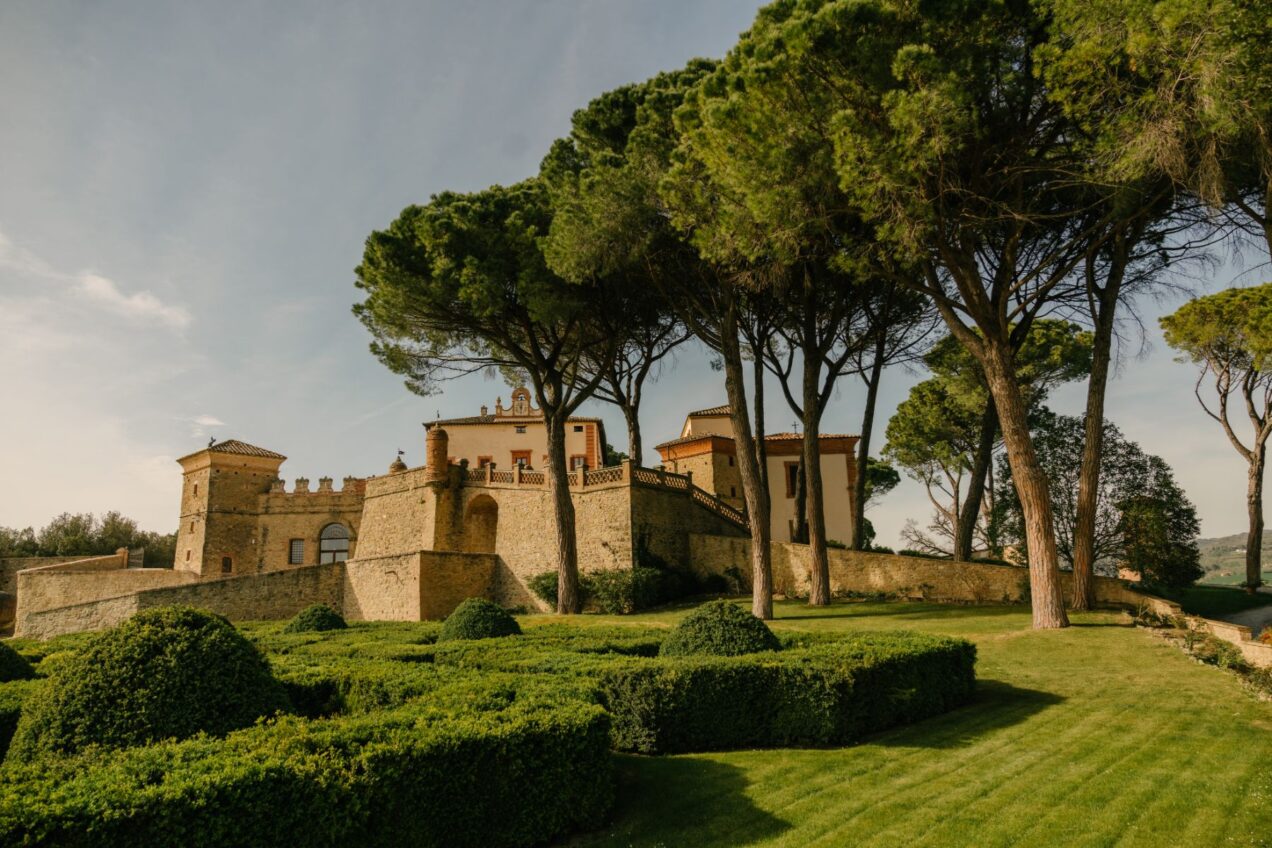
Perugia is one of Italy’s most underrated cities — a beautifully preserved medieval hilltop capital that most international visitors fly over on the way to Florence or Rome. That is a mistake worth correcting. The province of Perugia covers the heart of Umbria: a landscape of rolling hills, ancient hilltowns, olive groves, and vineyards that produces some of central Italy’s finest wine and olive oil. Renting a villa in the Perugia area means placing yourself at the centre of it all — within easy reach of Assisi, Spoleto, Orvieto, and Lake Trasimeno, with the kind of countryside views that the region has been famous for since the Renaissance painters first put them on canvas.
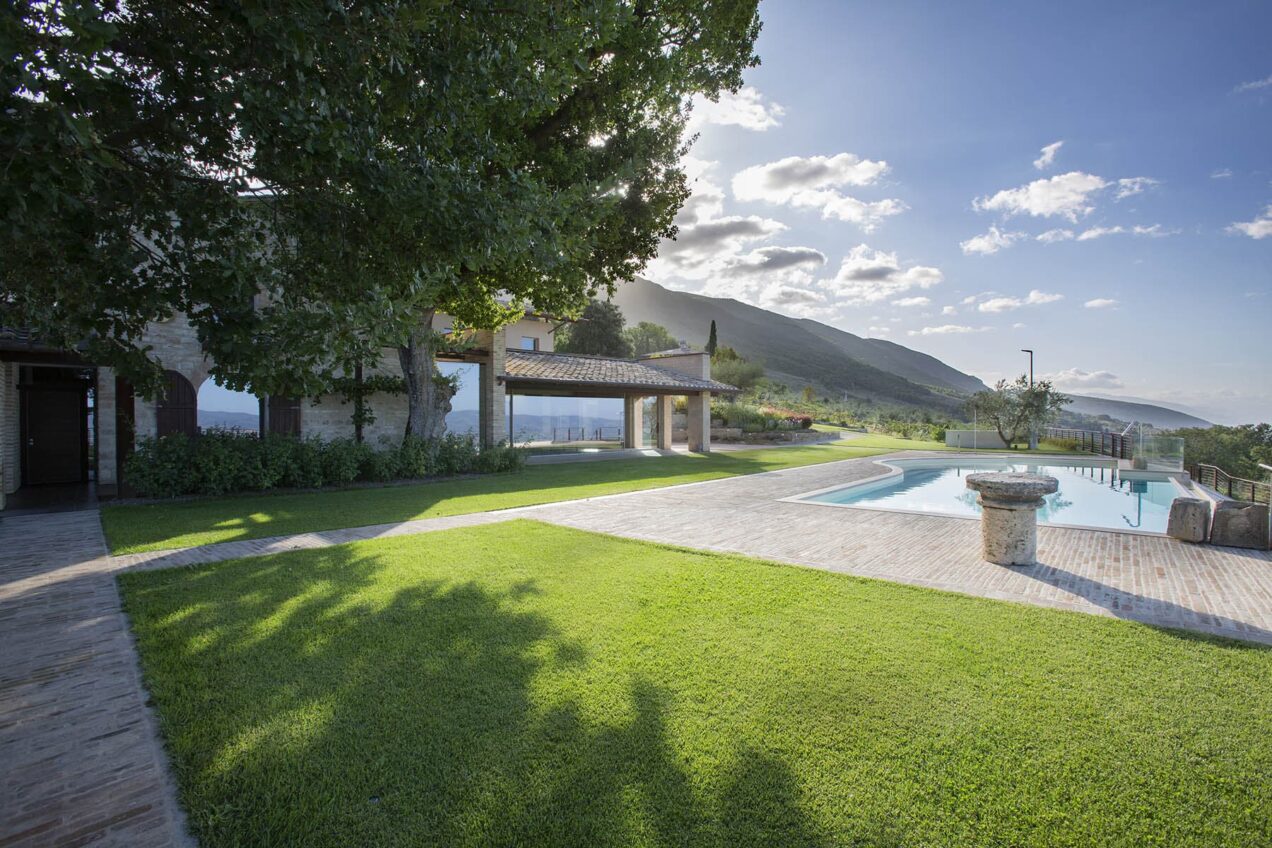
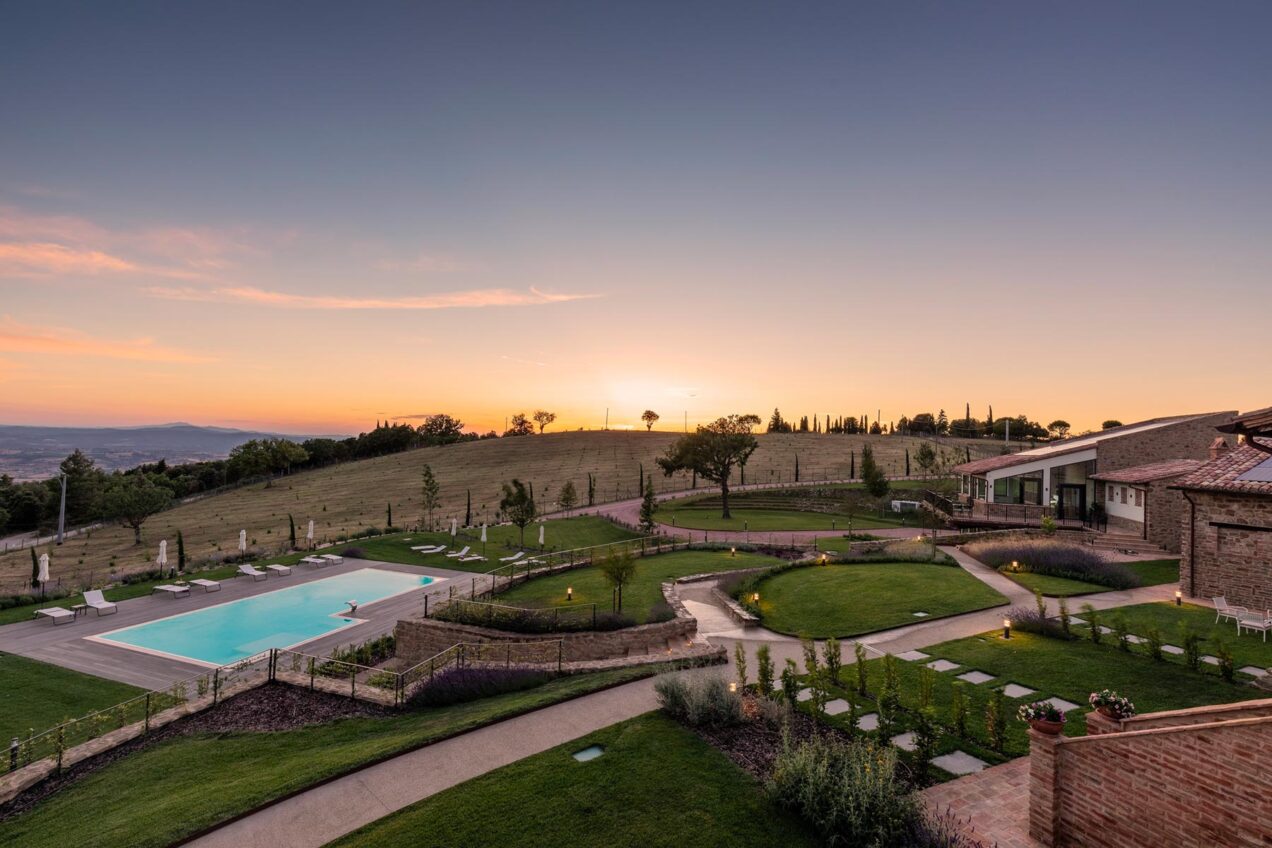
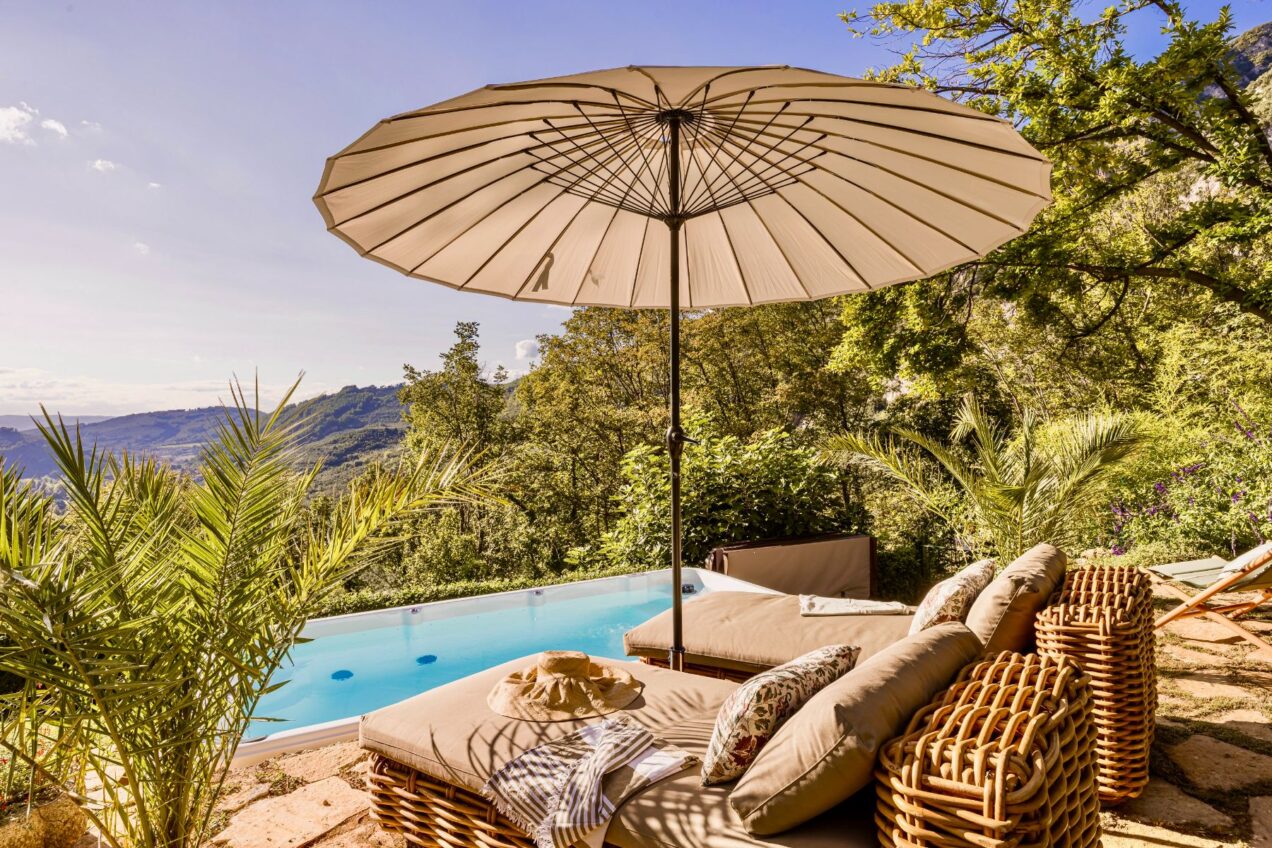
SopranoVillas offers a handpicked selection of villas across the Perugia province — from restored farmhouses above Lake Trasimeno to historic castles in the hills around Assisi. Each property is personally verified, with honest descriptions and no hidden fees. Whether you are planning a family holiday, a cultural escape, or a celebration with a large group, there is a property here that fits.
Perugia rewards visitors in almost every season, but the timing of your trip shapes the experience considerably. Unlike the coastal resorts, Umbria’s inland climate means warm summers without coastal humidity, and winters that are crisp rather than bitter.
April & May — Spring at Its Best
The Umbrian countryside erupts into colour — wildflowers on the hillsides, bright green vineyards, almond blossom in the valleys. Temperatures sit between 14°C and 22°C (57–72°F), ideal for exploring the city on foot and for drives through the surrounding countryside. Crowds are light and prices are reasonable.
June to August — Summer and the Festival Season
Umbria Jazz — one of Europe’s most respected jazz festivals — takes over Perugia for ten days each July, with free concerts in Piazza IV Novembre and ticketed headline events. The city comes alive. Temperatures reach 28–32°C (82–90°F), warm enough for pool days at your villa but never oppressive. Peak season for villa rentals; book well ahead.
September & October — The Truffle and Harvest Season
Arguably the finest time to visit. The famous Eurochocolate festival takes place in October, the white truffle markets in the surrounding hills are in full swing, and the grape harvest transforms the countryside. Temperatures are perfect (18–25°C) and tourist numbers drop sharply after mid-September.
November to March — Off Season
Perugia is a university city with 35,000 students — it never truly empties. Winter brings fog in the valleys, open fires in the restaurants, and the full attention of the kitchen. Truffle season extends into December. Villa availability is excellent and rates are at their lowest.
| Month | Avg. Temp | Crowds | Highlights |
|---|---|---|---|
| March | 12°C / 54°F | Low | Quiet, good for cultural visits |
| April | 16°C / 61°F | Low–Medium | Spring countryside, hiking |
| May | 20°C / 68°F | Medium | Ideal — warm, green, manageable |
| June | 25°C / 77°F | Medium–High | Long evenings, outdoor dining |
| July | 29°C / 84°F | High | Umbria Jazz Festival |
| August | 29°C / 84°F | High | Peak villa season |
| September | 24°C / 75°F | Medium | Harvest season — highly recommended |
| October | 18°C / 64°F | Low–Medium | Eurochocolate, truffle markets |
| November | 13°C / 55°F | Low | White truffle season continues |
| December | 8°C / 46°F | Very Low | Christmas markets, quiet charm |
Unlike the Amalfi Coast, Umbria is a region where having a car genuinely transforms the experience. The best villas, the hidden hill towns, the truffle villages and the vineyards are rarely on a bus route. Here is how to navigate the region sensibly.
Hiring a Car — Essential for Most Guests
A rental car is strongly recommended for any villa stay in the Perugia area. The city itself is manageable without one — the historic centre is pedestrianised and there are good buses — but the surrounding countryside requires independent transport. Pick up your car at Perugia Airport (Aeroporto San Francesco d’Assisi) or at the Perugia Fontivegge train station. Allow 20–40 minutes to reach most villas from the city.
Getting to Perugia
Perugia Airport handles direct flights from London, Brussels and several other European cities on a seasonal basis. Alternatively, fly into Rome Fiumicino or Florence and connect by train or hire car — Rome is approximately 2.5 hours by road (180km), Florence around 1 hour 45 minutes (150km). The Frecciarossa high-speed rail service connects Rome and Florence to the region but the final leg to Perugia requires a change at Foligno or a regional train from Chiusi.
Within Perugia City
The historic centre sits on a ridge and is largely car-free. The Minimetro — a short automated funicular — connects the main car parks and train station to the upper city efficiently. Within the centre, everything of significance is within a 15-minute walk.
Day Trips by Car
Umbria’s geography makes it ideal for day trips. From a Perugia villa, you can reach: Assisi (25 minutes), Spoleto (50 minutes), Orvieto (1 hour), Todi (45 minutes), Norcia (1 hour 20 minutes), and Siena in Tuscany (1 hour 30 minutes). The roads are well-maintained and traffic is rarely an issue outside the city itself.
Private Drivers & Transfers
For guests arriving at Rome or Florence airports, a private transfer direct to the villa is a comfortable option — typically 2–3 hours depending on the starting point. Our concierge can arrange this. Local drivers for day excursions are also available and particularly recommended for wine tastings and truffle hunts where driving afterwards is inadvisable.
Perugia is one of central Italy’s most underrated cities — a working university town with a medieval core, extraordinary art collections, and a calendar of cultural events that runs year-round. The surrounding countryside adds an entirely different dimension.
In the City
Galleria Nazionale dell’Umbria
Located inside the Palazzo dei Priori — one of the finest Gothic civic buildings in Italy — the National Gallery houses the most important collection of Umbrian painting in existence, including major works by Perugino (Raphael’s teacher) and Pinturicchio. Often crowd-free even in high season.
Rocca Paolina
A vast underground fortress built by Pope Paul III in the 16th century, constructed on top of an entire medieval neighbourhood. Walking through the excavated streets and towers — still intact beneath the city — is genuinely extraordinary.
Piazza IV Novembre and the Fontana Maggiore
The medieval heart of the city. The 13th-century Fontana Maggiore, carved by Nicola and Giovanni Pisano, is one of Italy’s finest Romanesque sculptures. The square is the natural gathering point for students and visitors alike.
The Università per Stranieri
Perugia’s University for Foreigners (founded 1925) is one of the world’s leading Italian language and culture institutes. The campus and its events — concerts, exhibitions, public lectures — are open to visitors and add a genuine cosmopolitan dimension to the city.
Beyond the City
Assisi
The birthplace of St Francis is 25 minutes from Perugia and one of the most visited sites in Italy — for good reason. The Basilica di San Francesco, with its Giotto frescoes, is extraordinary. Visit early morning before the tour groups arrive.
Lago Trasimeno
Italy’s fourth-largest lake sits 20 minutes west of Perugia — an underrated gem with boat services to the small island of Isola Maggiore, good fish restaurants along the shore, and cycling routes around the perimeter. Ideal for a quiet half-day.
The Truffle Villages
The hills around Norcia, Scheggino and Città di Castello are among Italy’s most prized truffle territories. From October to December (white truffles) and February to April (black), local guides offer truffle hunts with trained dogs — an exceptional experience. Our concierge can arrange bookings.
Eurochocolate Festival (October)
Perugia’s annual celebration of chocolate — it is home to Perugina, maker of the famous Baci chocolates — takes over the city centre for ten days each October. Free to enter, chaotic, and genuinely enjoyable.
Umbrian cuisine is the antithesis of the brochure version of Italian food — no pizza, no tourist menus, no compromise. It is a deeply regional kitchen, rooted in the pork butchers of Norcia, the black truffles of the Valnerina, the lentils of Castelluccio and the oil of the Trasimeno hills. For serious food travellers, it is one of Italy’s most rewarding regions.
The Essentials
Norcineria — Norcia, 90 minutes from Perugia, is the spiritual home of Italian pork butchery. Prosciutto di Norcia (DOP), salami, lonza, mazzafegato (a spiced liver sausage): the products sold by a good norcino are among the finest cured meats in Europe. Every good deli in Perugia stocks them.
Pasta al tartufo nero — Black truffle shaved over fresh stringozzi or strangozzi pasta with good olive oil and a touch of garlic. When truffles are in season and the restaurant is sourcing locally, this dish is extraordinary. A dish to order carefully — the quality difference between fresh local truffle and jarred product is immense.
Piccione alla ghiotta — Roast wood pigeon with olives, capers and local herbs. A classic Umbrian secondi found in traditional trattorie; underappreciated outside the region.
Lenticchie di Castelluccio — The tiny lentils from the Castelluccio plateau (grown at 1,400 metres above sea level) are among Italy’s great IGP products — earthy, rich, and requiring no soaking. Typically served with cotechino or as a simple soup. Simple, quietly brilliant.
Torta al testo — Umbria’s flatbread, cooked on a stone disc and filled with cured meats, cheese or rocket. The local answer to street food. Found in every village.
Wines to Know
Sagrantino di Montefalco DOCG — Italy’s most tannic grape variety, grown exclusively in the hills around Montefalco, 40 minutes from Perugia. Big, structured, long-ageing reds. The Passito (sweet) version is equally remarkable. Producers to seek: Arnaldo Caprai, Paolo Bea, Colpetrone.
Montefalco Rosso DOC — A more approachable blend including Sagrantino; better value and more suitable for everyday meals.
Orvieto Classico DOC — A white wine from the volcanic tufa soils around Orvieto — crisp, mineral, with a gentle almond note. Often underestimated. Outstanding with fish from Lago Trasimeno.
Olive Oil — Umbrian DOP olive oil, made from the Moraiolo and Frantoio varieties, is amongst Italy’s finest — green-gold, peppery, intensely grassy when pressed fresh in November. If visiting in the autumn, look for olio nuovo — the first-press oil of the season.
Staying in a Villa — Provisions and Markets
The Mercato Coperto in central Perugia is excellent for cheese, cured meats, local vegetables and fresh pasta. The Saturday market in Piazza Europa is larger and more local. Our concierge can arrange a weekly delivery of Umbrian produce — truffle products, local wine, charcuterie, fresh seasonal vegetables — directly to your villa on request.
Is Perugia a good base for exploring Umbria?
Yes — it is arguably the best. Centrally located, well-connected by road, and with good facilities (international airport, train connections, wide range of restaurants and services), Perugia places you within 90 minutes of virtually every major attraction in Umbria: Assisi, Spoleto, Orvieto, Todi, Norcia and the Valnerina valley.
Do I need a car to stay at a villa near Perugia?
In almost all cases, yes. The countryside villas that define the Umbrian experience are not accessible by public transport. We strongly recommend hiring a car from the airport or train station. Within Perugia’s historic centre, a car is more burden than help — park at the perimeter and use the Minimetro.
How far is Perugia from Rome and Florence?
Perugia is approximately 180km from Rome (2 hours 30 minutes by car) and 150km from Florence (1 hour 45 minutes). Both cities make excellent day trips, though the journey is more rewarding spread over a longer stay. Direct trains from Perugia connect to both cities, though the journey typically involves one change.
What is the minimum stay at most villas near Perugia?
Most properties in the Perugia area require a minimum of 7 nights in peak season (June–August). Shorter stays of 3–5 nights are often available in May, September and October. Our search tool shows live availability for each property.
Are there good restaurants near the villas, or do we need to drive to the city?
Most of the finest eating in the Perugia area is not in the city itself — it is in the villages and agriturismi of the surrounding countryside. Many of our guests find that the best meals of their trip are in small local trattorie within 15 minutes of their villa. We provide a curated local restaurant guide with every booking.
Is Perugia suitable for families with children?
Yes. The city is manageable with children — the underground Rocca Paolina, the Eurochocolate festival, and the Lago Trasimeno boat trips are all family-friendly. The real benefit of a villa stay is space: private pools, gardens, and the freedom to eat and sleep at your own pace. The flatter terrain around Lago Trasimeno and the eastern Tiber valley is easier for families with young children than the steep hill towns.
When is the truffle season?
The prized Umbrian white truffle (Tuber magnatum pico) peaks between October and December, with the best finds in November. Black summer truffle is available May–August; black winter truffle (scorzone) runs December–March. Truffle hunts with trained lagotto dogs can be arranged through our concierge and make a genuinely memorable half-day experience.

Get in touch with us. Tell us dates, guests, and style — we’ll help you find the most suitable villas for your trip to Perugia.
Ask our concierge