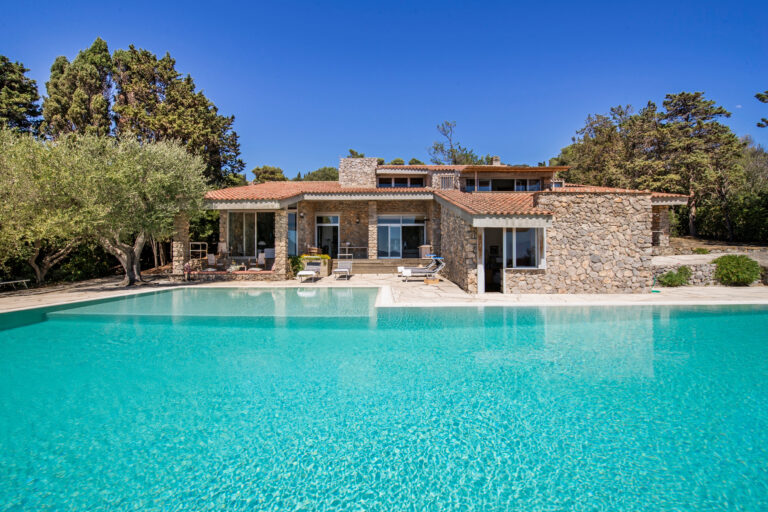
What are the practical differences between a modern villa and a historic one?
The primary distinctions often lie in their architectural styles, construction methods, and the level of integrated modern amenities.
The practical differences between a modern villa and a historic one fundamentally shape the guest experience, extending beyond mere aesthetics to comfort and functionality. A modern villa typically offers contemporary architecture, often characterized by open-plan living, expansive windows, and state-of-the-art amenities. Think integrated smart home technology, high-efficiency climate control throughout, and sleek, minimalist design. These properties prioritize seamless comfort and often boast features like infinity pools and professional-grade kitchens, designed for a sophisticated, effortless lifestyle.
Conversely, a historic villa, whether a restored farmhouse in Tuscany or an Amalfi Coast palazzo, provides an immersive journey into Italy’s past. Its charm lies in original features: ancient stone walls, vaulted ceilings, frescoes, and unique, sometimes labyrinthine layouts. While many historic villas have been meticulously renovated, offering modern comforts, these are often integrated into the existing structure rather than being foundational. Climate control might rely more on thick walls for natural coolness, with AC perhaps localized, and kitchens, while well-equipped, may retain a more traditional character. The appeal is in authenticity, the stories embedded in the architecture, and a profound sense of place.
Choosing between them hinges on a traveler’s priorities: whether the desire is for cutting-edge convenience or an unparalleled connection to heritage. Understanding these nuances requires deep regional knowledge and personal curation, which is why SopranoVillas meticulously verifies each property, ensuring its character and practical offerings align with discerning expectations.