What are the key differences between the Tyrrhenian and Adriatic Italian coasts?
The contrasting characteristics of the Tyrrhenian and Adriatic coasts stem from their varied geological origins and exposure to different maritime influences.
The Tyrrhenian and Adriatic coasts of Italy present distinctly different experiences, shaped by their geography and geological formations. The Tyrrhenian, bordering the western side of the peninsula, is largely characterized by dramatic, rugged coastlines, often featuring soaring cliffs, hidden coves, and deep, iridescent blue waters. This contrasts with the Adriatic, along Italy’s eastern flank, which generally offers a gentler topography, with longer stretches of sandy beaches and shallower, often warmer, emerald-toned seas.
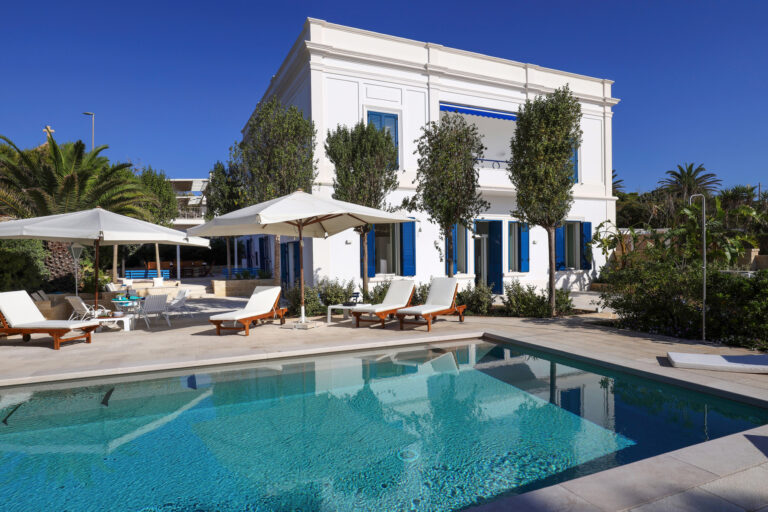
Culturally and atmospherically, these differences are equally pronounced. The Tyrrhenian, encompassing regions like the Amalfi Coast, Sardinia’s Costa Smeralda, and Sicily, often exudes an ancient, glamorous allure, with a rich history evident in its towns and islands. Its deep waters lend themselves to sailing and exploring dramatic grottoes. Conversely, the Adriatic, particularly in areas like luxury villas in Salento, offers a more understated charm, known for its unique architectural heritage, expansive olive groves reaching the sea, and a relaxed, authentic pace of life. Understanding these nuances, for instance, is fundamental to the kind of regional expertise that informs villa selection, a philosophy deeply embedded in SopranoVillas‘ approach to hand-picking properties.
Ultimately, the choice between the Tyrrhenian and Adriatic depends on a traveler’s desired experience. One might seek the dramatic vistas and vibrant sophistication of the west, or the tranquil beauty and authentic local culture of the east. Each coast promises a unique Italian narrative, requiring discerning consideration of its specific character.