




Attraction
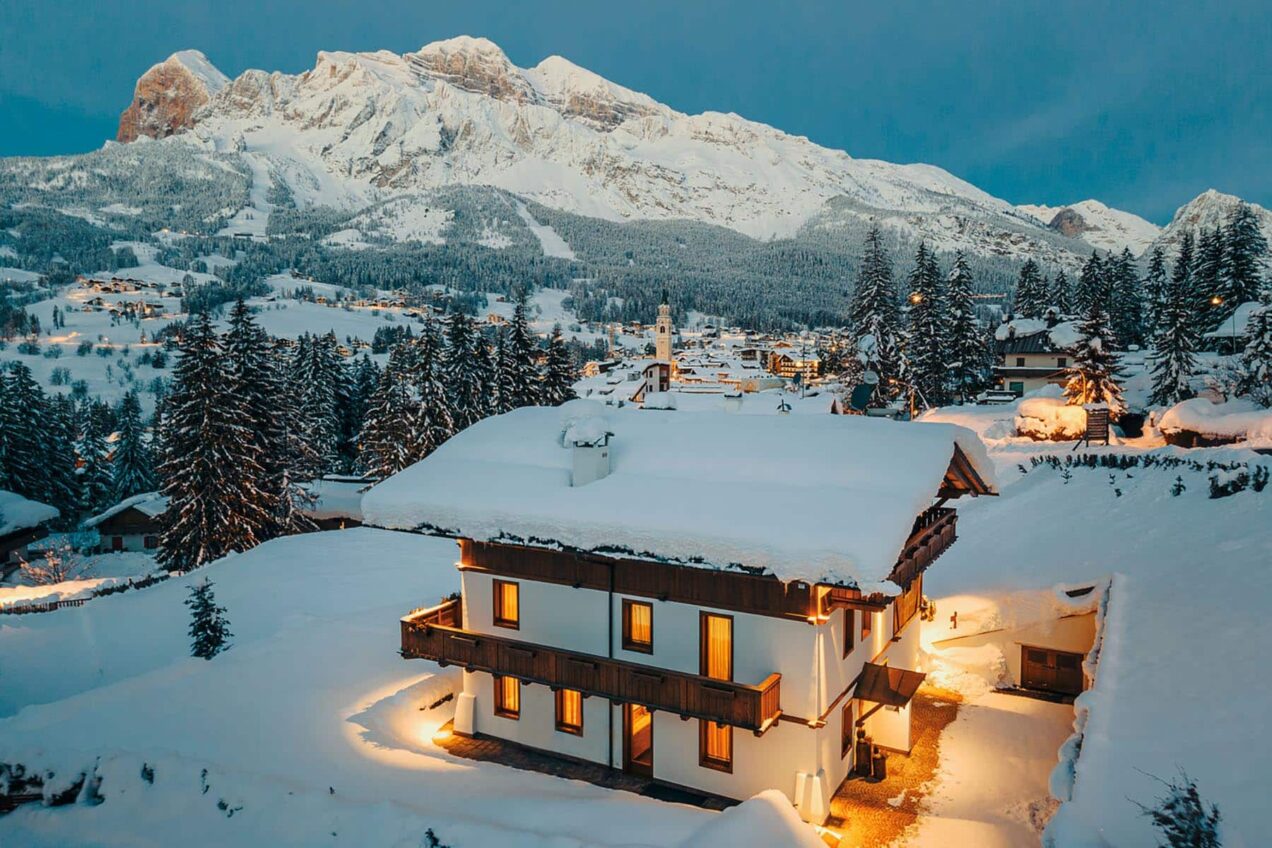
Asolo
A graceful Veneto hill town associated with art, theatre and panoramic views.
Attraction
A graceful Veneto hill town associated with art, theatre and panoramic views.
Attraction
A historic golf course in the wooded hills above Lake Como.
Attraction
A refined Veneto city of canals, frescoed façades and arcaded medieval streets.
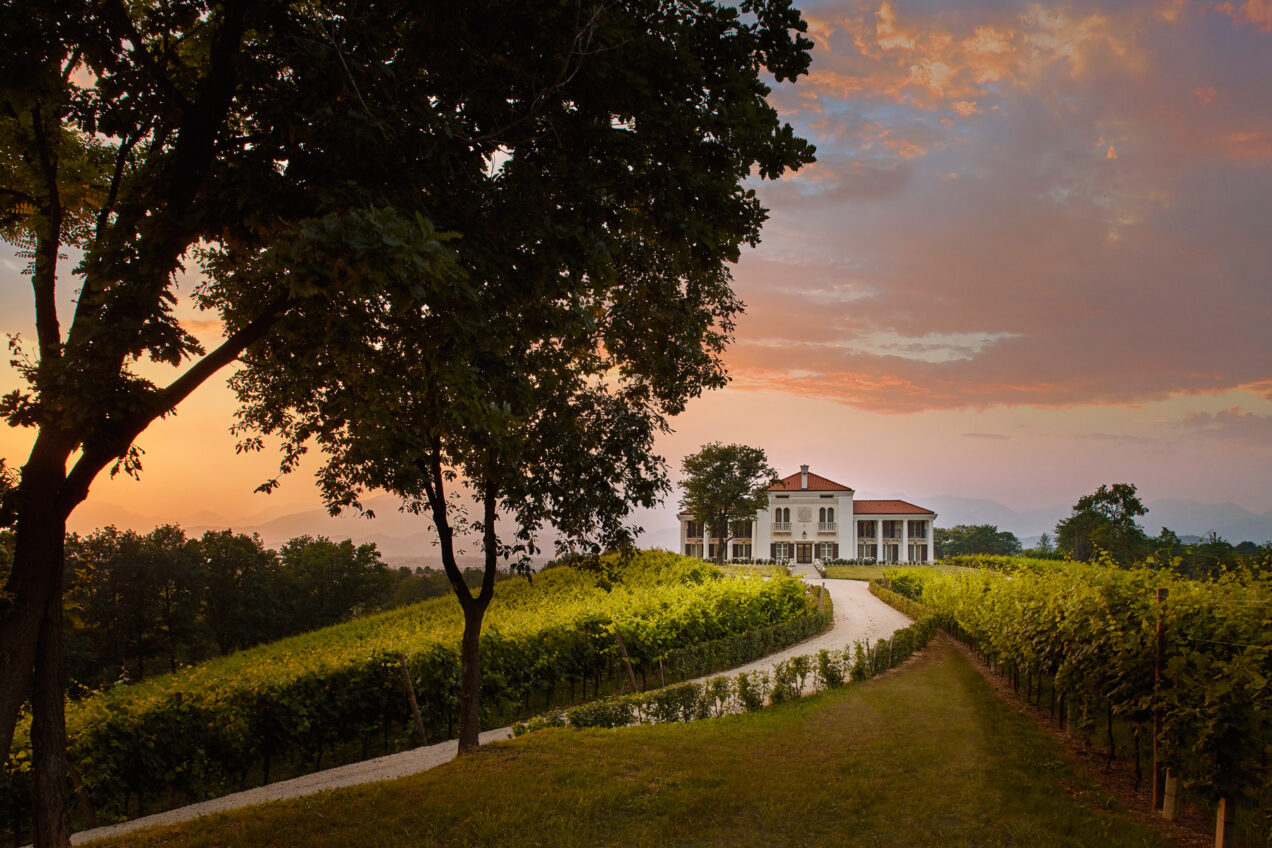
Palladian villas, the canals of Venice and the Prosecco hills — a region where the Italian art of living reaches its most sophisticated expression.
Veneto is one of Italy’s most diverse and culturally layered regions — a territory that spans from the Dolomite mountains in the north to the Adriatic lagoon in the east, taking in on the way the UNESCO Palladian villas of the Vicenza foothills, the opera-stage city of Verona, the Prosecco DOCG hills between Conegliano and Valdobbiadene, and the western shores of Lake Garda. For the luxury villa guest, Veneto offers an almost embarrassing richness of experience: classical architecture of the highest order, a wine culture of international standing, and the singular, unrepeatable experience of Venice itself — reachable for a day visit from most of the region’s villa properties.
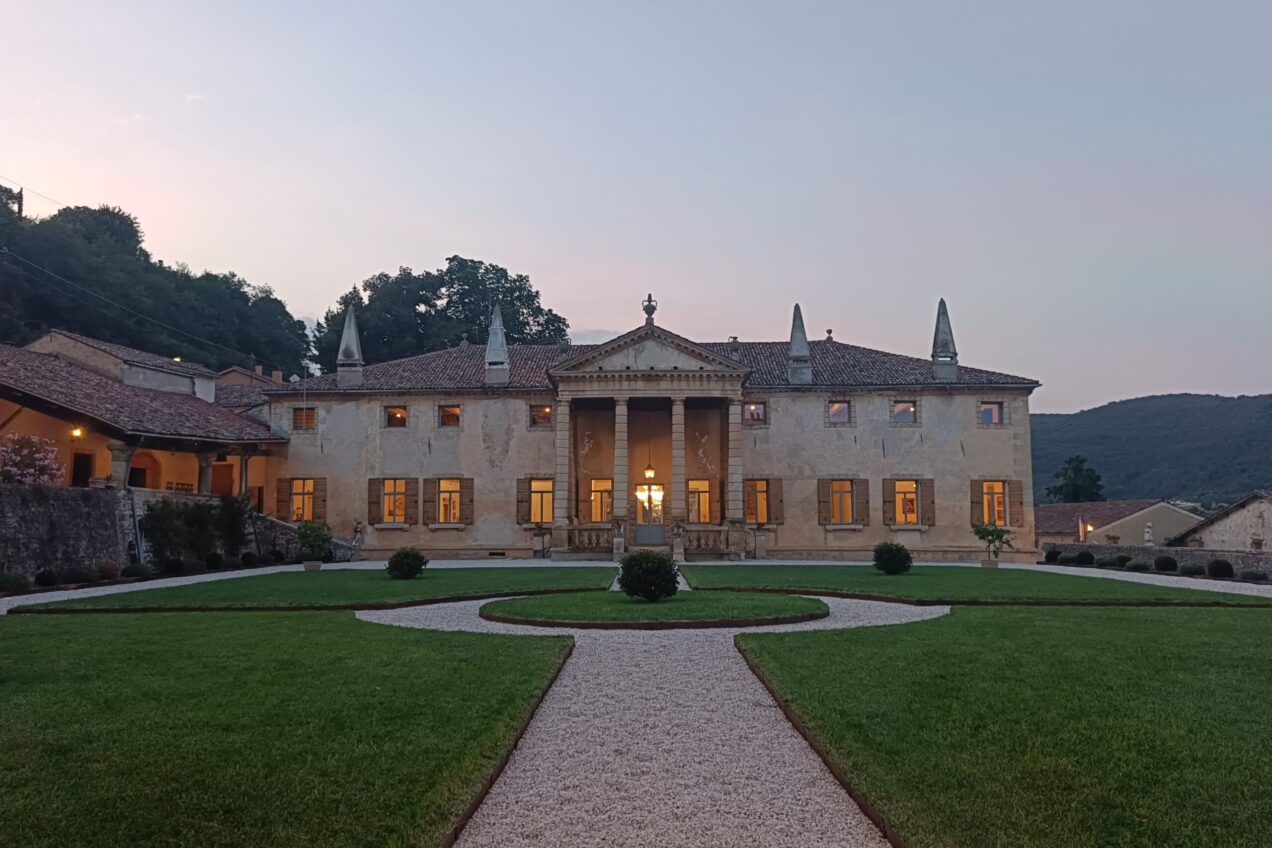
The Palladian villas of the Veneto — the country residences designed by Andrea Palladio for the Venetian nobility from the 1540s onward — represent the most influential architectural achievement of the Renaissance outside Florence. Many remain in private hands and can be visited by arrangement; staying in the surrounding countryside places guests within a landscape that Palladio himself designed as a setting for civilised leisure. Add the vertiginous beauty of the Dolomites an hour to the north, the Bardolino and Amarone wine estates of the Valpolicella, and the market culture of Padua and Treviso, and the picture that emerges is of a region that rewards extended exploration at any time of year.
Veneto rewards visitors in every season but has two outstanding periods. April through June is the finest time for the Palladian villas and the Prosecco hills: the countryside is vivid green, the vine rows are in fresh leaf, and the temperatures (16–24 °C) make driving the minor roads between Vicenza and Treviso a genuine pleasure. The gardens of the great villas — Villa Barbaro at Maser, Villa Emo at Fanzolo — are at their best in May, and Venice in late spring, before the summer crush, is as close to magical as a city can be.
September and October are equally compelling. The Valpolicella grape harvest (mid-September through October) opens the Amarone and Ripasso estates to pre-arranged visits; the Prosecco harvest in the Valdobbiadene hills runs slightly earlier. Verona’s summer opera season at the Arena runs through July and August — the experience of a Verdi opera in a 2,000-year-old Roman amphitheatre under a full moon is unforgettable and worth planning an entire trip around. Lake Garda is pleasant from May through October, with water temperatures that allow swimming from June. Winter (November–March) brings acqua alta to Venice and mist to the Veneto plains, but also the extraordinary Carnevale (February) — the finest in Italy — and absolute quiet in the Palladian villas and the Dolomite resorts.
Venice Marco Polo (VCE) is the primary gateway, well connected to major European and transatlantic hubs with direct long-haul flights from New York, Dubai and several Asian cities. It is one of Italy’s best-connected airports. Verona Catullo (VRN) is the better option for guests focusing on Lake Garda, Valpolicella and the southern Veneto. Both airports are within easy reach of the main villa areas — the A4 motorway running east–west across the Veneto plain connects Venice, Padua, Vicenza and Verona in a fast spine from which the scenic hill roads branch north and south.
A private car is essential for exploring the Veneto outside Venice itself. The Palladian villas are distributed across the Vicenza and Treviso foothills on minor roads; the Prosecco hills between Conegliano and Valdobbiadene are best explored slowly, with multiple stops at estate cellars; the Valpolicella wine zone west of Verona requires a car to reach the top producers. Venice is best visited by water taxi from the Tronchetto car park or by train from Padua or Mestre — the driving approach is not recommended in season. For guests who want to cover serious ground, a private driver for dedicated day excursions is the most practical and most enjoyable solution.
Venice needs no introduction but rewards strategic visiting: arrive very early in the morning or in the evening, stay overnight at least once, and approach the less-visited sestieri (Cannaregio, Dorsoduro, Castello) rather than concentrating solely on San Marco. The Peggy Guggenheim Collection, the Ca’ d’Oro, the Scuola Grande di San Rocco and the church of the Frari contain some of the finest art in Europe in intimate, uncrowded settings. A private boat tour of the minor canals at dawn, or a visit to the glass studios of Murano by water taxi, transforms the experience entirely.
The Palladian villas of the Veneto (UNESCO World Heritage Site) are among the most important architectural monuments in the Western tradition. Villa La Rotonda near Vicenza — Palladio’s most famous work, the model for the US Capitol and countless country houses — Villa Barbaro at Maser (with Veronese frescoes in every room) and Villa Emo at Fanzolo are the essential three. Verona rewards a full day: the Arena, the Piazza delle Erbe, the Castelvecchio museum and the Romeo and Juliet balcony (apocryphal but irresistible). The Prosecco DOCG hills between Conegliano and Valdobbiadene — UNESCO-listed for their terraced vineyards — offer one of Italy’s most rewarding wine drives, with estate visits, ridge-top restaurants and views over the Venetian plain.
Veneto is Italy’s largest wine-producing region by volume and one of its most diverse. Amarone della Valpolicella DOCG — made from partially dried Corvina grapes in a process unique to the hills west of Verona — is one of Italy’s most powerful and age-worthy reds, produced by estates such as Dal Forno Romano, Quintarelli, Allegrini and Bertani. Soave Classico DOC, from Garganega on volcanic hills east of Verona, is Italy’s most underrated white wine at its best. Prosecco DOCG from the Valdobbiadene zone — specifically the single-vineyard Cartizze and the Rive bottlings — is a world apart from the industrial versions: complex, floral, and best drunk within a year of harvest at a hilltop agriturismi above the vines.
The food of Veneto is built around rice (the Po delta risotto tradition), polenta, cured meats and freshwater and lagoon fish rather than pasta — a distinctly northern identity. Risotto al radicchio di Treviso, bigoli in salsa (thick wholemeal pasta with anchovy and onion), baccalà alla vicentina (salt cod stewed in milk with onions and anchovies — a dish of extraordinary subtlety) and the famous Venetian cicchetti — bar snacks of crostini, meatballs, marinated sardines and stuffed vegetables, consumed standing at a bacaro with a glass of ombra — define a food culture that is simultaneously rustic and refined. The Thursday market in Verona’s Piazza delle Erbe, and the Rialto market in Venice at dawn, are among the finest food market experiences in Italy.
How far are Veneto villas from Venice?
Most villa properties in the Veneto hills and plains are within 45–90 minutes of Venice by car or train. Padua has direct train connections to Venice in 25 minutes; Vicenza in 50 minutes. Many guests base themselves in the Veneto countryside and visit Venice on one or two day trips, which is often a more pleasurable approach than staying in the city itself — quieter, more spacious, and significantly better value.
Can we attend the Verona opera?
The Arena di Verona opera season runs from late June through early September, with performances almost nightly. Tickets range from unreserved stone seats to premium numbered seating with cushions; the experience in any category is remarkable. We recommend booking tickets well in advance for the most popular productions (Aida, Nabucco, Carmen) and pairing the evening with dinner at one of Verona’s excellent restaurants beforehand. Our concierge team can assist with ticket procurement and restaurant reservations.
Is Veneto suitable for a family holiday?
Very much so. Lake Garda provides excellent family swimming and water sports; Venice is endlessly fascinating for older children; the Gardaland theme park (Europe’s third largest) is on the eastern shore of Lake Garda. The Dolomites — 60–90 minutes north — offer outstanding hiking, cycling and, in winter, some of Italy’s best skiing (Cortina d’Ampezzo, the Dolomiti Superski area). Veneto’s geographic range makes it one of Italy’s most versatile family holiday regions.
Get in touch with us. Tell us dates, guests, and style — we’ll help you find the most suitable villas for your trip to Veneto.
Ask our concierge