Tuscan Hills Luxury Villas For Rent filtered by Super Luxury, Fireplace, Daily Cleaning


Tuscan Hills
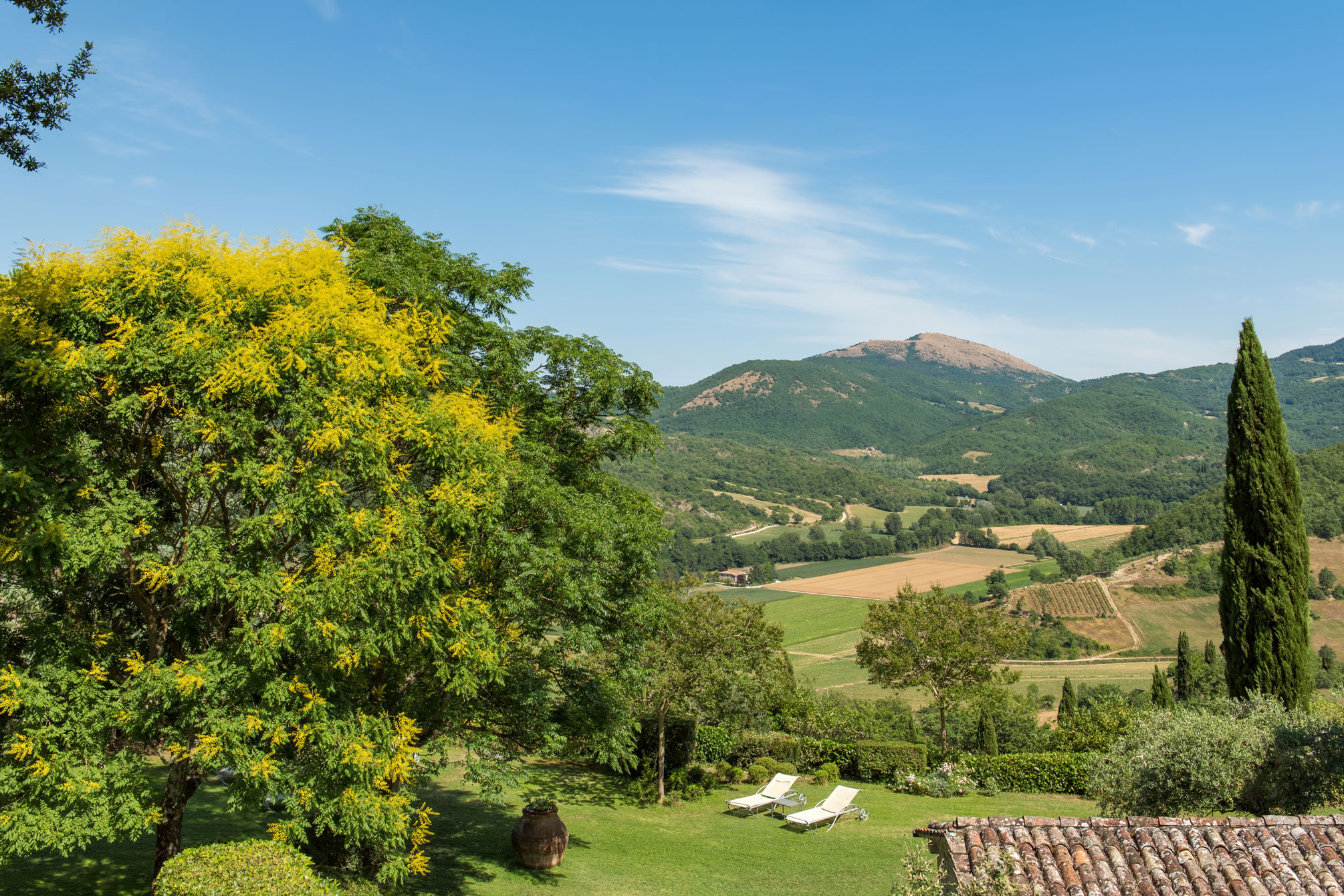
Rolling vineyards, cypress-lined ridges and medieval hilltowns — the archetypal Tuscan landscape, best experienced from a private villa in the hills.
The Tuscan Hills encompass one of the most celebrated landscapes in the world: the Crete Senesi south of Siena, the Val d’Orcia UNESCO cultural landscape, the clay hills around Pienza and Montepulciano, and the vine-covered slopes of the Chianti Classico zone. For the luxury traveller, this is where the Tuscan ideal becomes reality — stone farmhouses converted into immaculate private villas, private pools overlooking an unbroken panorama of olive groves, and a cellar stocked with Super Tuscans and Montepulciano Nobile from estates down the road.
Staying in the Tuscan Hills places guests at the centre of an exceptionally rich cultural and gastronomic territory. Siena, San Gimignano, Montepulciano, Pienza and Montalcino are all within easy reach, as are the great wine estates of Montalcino and the artisan food producers of the Chiana Valley. This is Tuscany at its most concentrated — and most quietly spectacular.
The Tuscan Hills are rewarding in every season, but two periods stand out for the discerning visitor. April through early June brings the landscape to its most vivid — bright green vines, wildflowers across the Crete Senesi and Val d’Orcia, and the cypress avenues catching the morning light at their finest. Temperatures are comfortable (15–22 °C), the main towns are busy but not overwhelmed, and villa pools begin to warm up by late May.
September and October are arguably even better for those who combine landscape with food and wine. The grape harvest across Chianti Classico and the Brunello and Nobile zones fills the air with the scent of fermenting must, and the best estates welcome pre-arranged private visits during the vendemmia. Daytime temperatures hover around 18–24 °C, evenings call for a cashmere layer, and the hills take on the golden ochre tones that have made this landscape one of the most painted and photographed on earth. Summer (July–August) is ideal for pure villa relaxation — long days, warm evenings and exceptional local produce — though July in the Val di Chiana can be very hot. Winter brings truffle season (November–December), olive pressing and absolute peace.
The Tuscan Hills are best reached via Florence Peretola (FLR) for central and northern areas, or Rome Fiumicino (FCO) for the southern Val d’Orcia and Montepulciano zone. Florence is connected to the A1 motorway and the Siena superstrada, placing most of the hill country within 45–90 minutes of the city. Pisa International (PSA) is also a viable option for western Tuscany. A private chauffeur transfer from Florence or Rome, ideally with a wine-estate or artisan-food stop en route, sets the tone perfectly for an arrival in the hills.
A private car is essential for exploring the Tuscan Hills — the most beautiful roads and the finest estates are all off the main arteries, along unpaved white roads (strade bianche) and through medieval hamlets inaccessible by public transport. Hiring a driver for day excursions to Siena, Montalcino, Pienza or Montepulciano is highly recommended for guests who want to taste wine seriously. Helicopter transfers to estates in the Val d’Orcia or the Chianti zone are feasible and can be arranged via our concierge team.
Siena is the region’s cultural capital — its Gothic Piazza del Campo, the Duomo’s extraordinary inlaid marble floors and the civic art of the Palazzo Pubblico make it one of the most concentrated medieval cities in Italy. Allow a full day. San Gimignano with its 14 surviving towers is best visited in early morning before the day-trippers arrive. Montepulciano occupies a dramatic ridge commanding views over the Val di Chiana and Val d’Orcia, its Renaissance palazzi housing some of the finest Vino Nobile cellars in Italy.
The Val d’Orcia UNESCO landscape — the territory south of Siena encompassing Pienza, San Quirico d’Orcia, Castiglione d’Orcia and Montalcino — is the single most iconic stretch of Tuscan countryside. The Belvedere viewpoint near San Quirico is the classic location, but the entire zone rewards slow exploration by car along the Via Francigena and the SP53. Guests with cultural interests should visit the Abbazia di Monte Oliveto Maggiore (Renaissance frescoes in a honey-coloured cloister), and the abbey of Sant’Antimo near Castelnuovo dell’Abate. Active guests can arrange cycling on the Eroica gravel routes through Chianti, hot-air balloon flights over the Val d’Orcia at dawn, or truffle hunting with specialist dogs and handlers.
The Tuscan Hills contain some of Italy’s most prestigious wine appellations. Brunello di Montalcino DOCG — from Sangiovese Grosso aged a minimum of five years — is the region’s most celebrated wine; top estates such as Biondi-Santi, Soldera and Poggio di Sotto are accessible by private appointment. Vino Nobile di Montepulciano DOCG offers a softer, earlier-drinking counterpart; the cellars beneath the town’s main street are open to visits. Chianti Classico DOCG, produced between Florence and Siena, spans a broad quality range with exceptional Gran Selezione wines from estates such as Fontodi, Castello di Ama and Montevertine. Super Tuscans — Tignanello, Sassicaia, Ornellaia — are produced on the coast but available at estates throughout the hills.
At table, the cooking is built around quality ingredients used simply: pici (thick hand-rolled pasta) with wild boar ragù or cacio e pepe, ribollita, Chianina beef grilled over oak, and the sheep’s milk pecorino from Pienza — best bought at the Wednesday morning market in the main square. White truffles from the San Miniato and Crete Senesi areas appear from October; the Zafferano di San Gimignano (certified saffron) and Colonnata lard are further regional specialities worth seeking out. Our villa concierge teams can arrange private cooking lessons, cellar dinners with winemakers and market tours with local chefs.
Which part of the Tuscan Hills is best for a villa stay?
It depends on your priorities. The Val d’Orcia area (around Montalcino, Pienza and San Quirico) offers the most dramatic scenery and the greatest wine prestige, but is further from Florence (1.5–2 hrs). The Crete Senesi south of Siena balances scenery with accessibility. The Chianti zone between Florence and Siena offers the most sophisticated food and wine infrastructure with the greatest ease of access. We can help match your ideal location to the right property.
How far are the Tuscan Hills from Florence and Rome?
The northern Chianti zone begins just 20 km south of Florence. Siena is 70 km from Florence (about 75 minutes by car). The Val d’Orcia is roughly 130 km from Florence and 180 km from Rome. Most guests arriving from the north use Florence as their gateway; those arriving from Rome or flying into Rome often head directly south into the hills without stopping in Florence.
Can we combine a Tuscan Hills stay with the coast?
Absolutely. The Argentario peninsula and Maremma coast are about 90 minutes from the Val d’Orcia and 75 minutes from Siena, making a split stay — hills and sea — one of the most popular itineraries among our guests. We regularly arrange properties that allow a seamless transition between the two.
Is a car essential, or can we use taxis and transfers?
A car is strongly recommended for the freedom to explore at your own pace. However, for guests who prefer not to drive, a dedicated driver can be arranged for the duration of the stay — this is particularly popular with guests who want to taste wine seriously across multiple estates without any logistical constraints.
Need help choosing?
Get in touch with us. Tell us dates, guests, and style — we’ll help you find and the most suitable villas for your trip to Tuscan Hills.
Ask our concierge