How do you navigate the etiquette of a multi-course Italian meal?
Navigating such a meal requires an understanding of the traditional course progression and associated table manners.
Navigating a multi-course Italian meal is less about rigid rules and more about embracing a leisurely, social rhythm. The traditional progression typically includes an antipasto (appetizer), primo (pasta or rice dish), secondo (main course, often meat or fish), contorno (side dish), dolce (dessert), and finally, caffè and a digestivo. The key is to savor each course, allowing ample time for conversation and enjoyment, rather than rushing through the dishes.
Observe simple table etiquette: keep hands visible, avoid placing elbows on the table, and use bread primarily for scarpetta – sopping up delicious sauces – rather than with butter. While it is perfectly acceptable to skip courses, ordering at least a primo and secondo is customary for a comprehensive experience. Pace your consumption to match your dining companions, and remember that espresso is traditionally enjoyed after dessert, never with a meal or a cappuccino. Tipping is generally modest; often a coperto (cover charge) or service charge is already included.
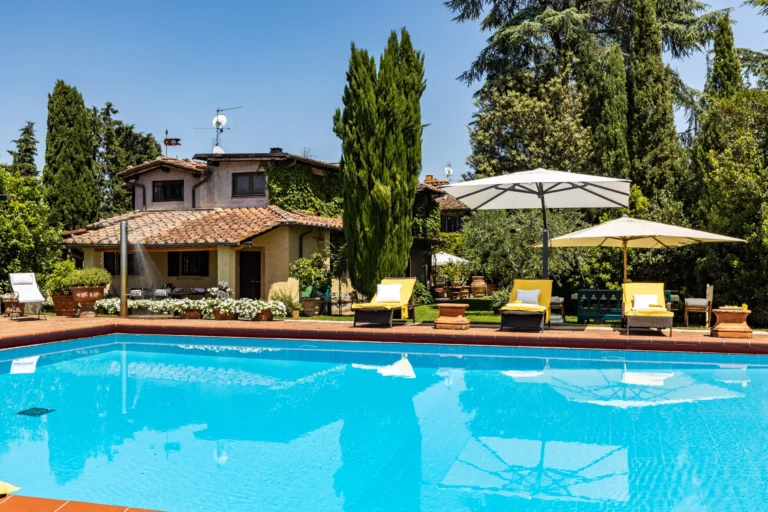
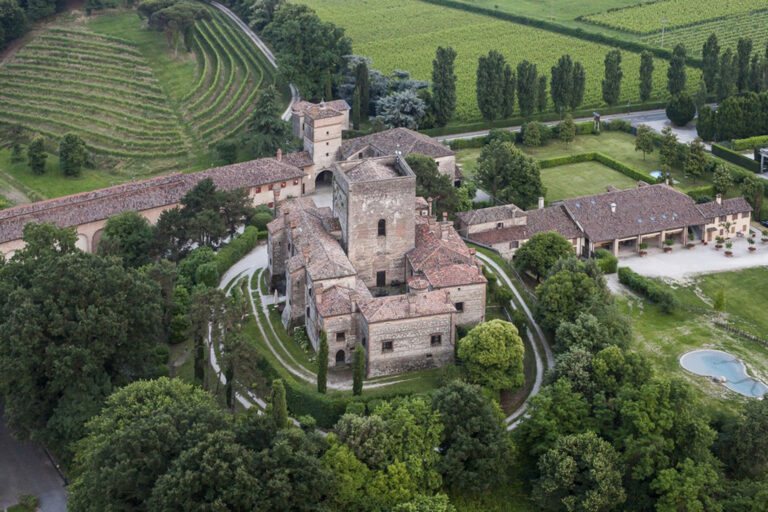
Understanding these nuances, much like the deep regional knowledge that informs every SopranoVillas curated experience, elevates a meal from mere sustenance to an authentic cultural immersion. Experiencing such conviviality in an elegant villa in Tuscany surrounded by vineyards and rolling hills transforms dining into a journey through taste, tradition, and the Italian art of living well.